





A Quick Glimpse of the Trek
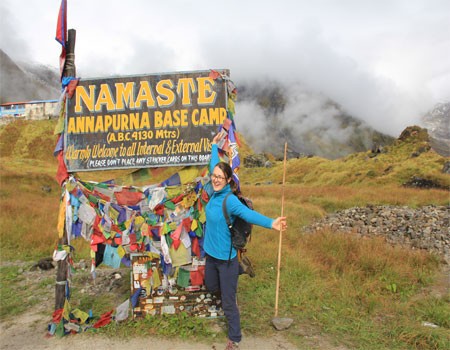
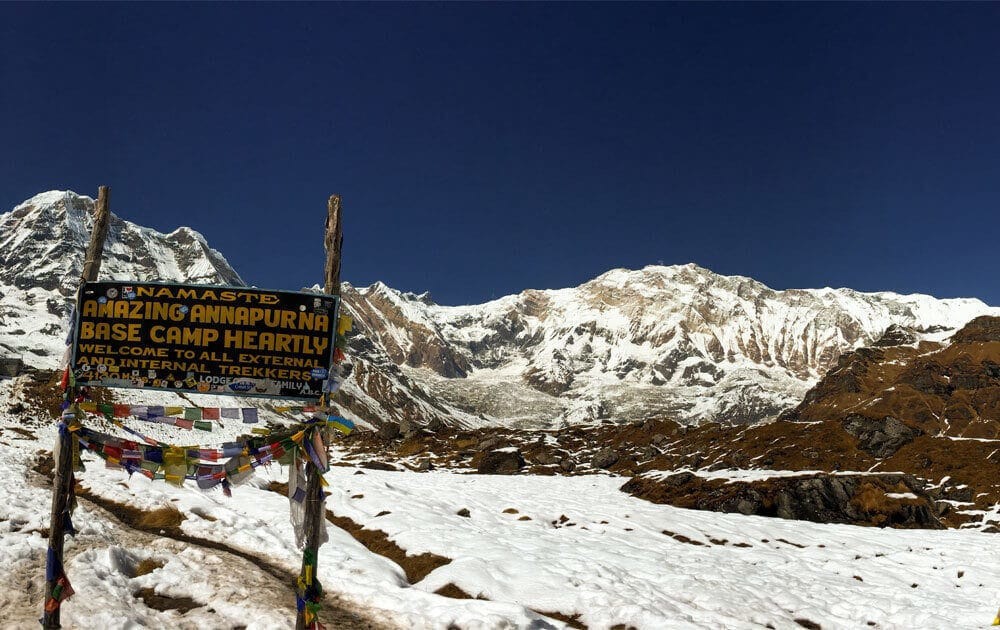
- Maximum Elevation: 4,130 meters / 13,549 feet
- Difficulty Level: Moderate
- Duration: 9 Days
- Starting Point: Pokhara (Drive to Birethanti or Banthanti)
- Best Seasons: September to December and March to May
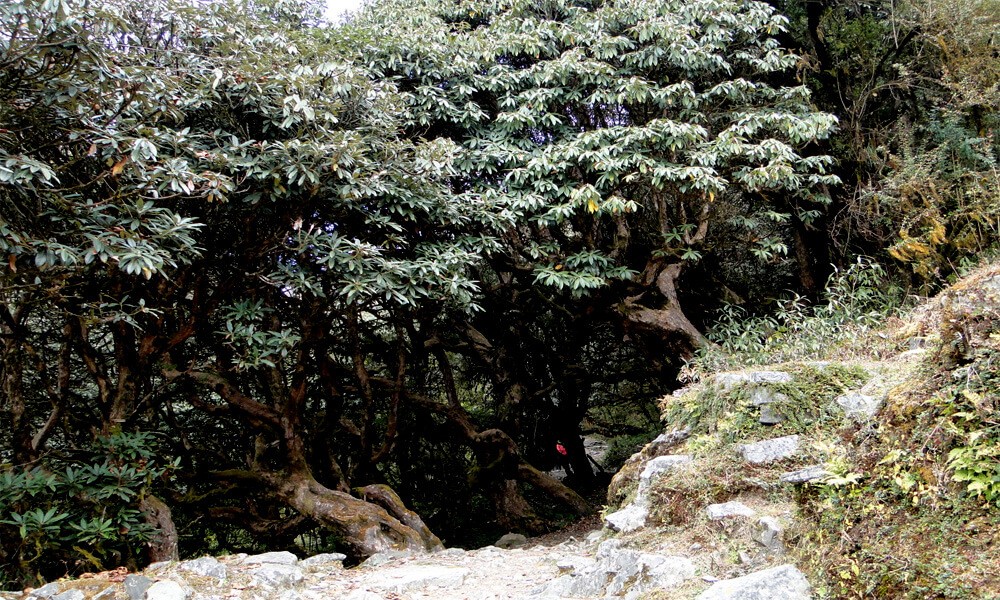
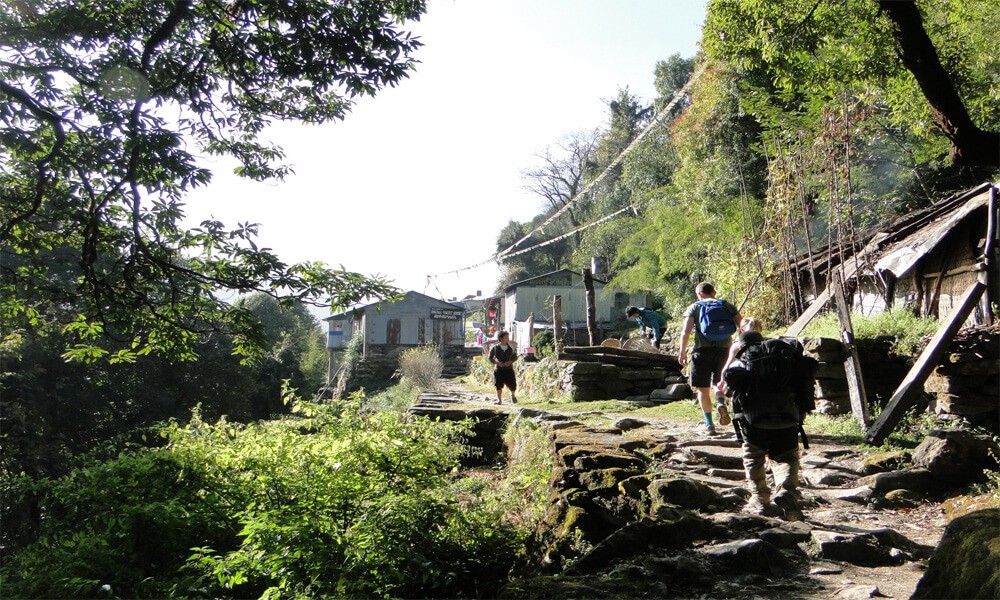
- Key Highlights: Gurung and Magar culture, Traditional Villages with Gurung Architecture, Ricefields, Waterfalls, Rivers, Blooming Flowers like Rhododendron and Himalayan Cherry, Sunrise and Sunset Views from Poon Hill, Annapurna Base Camp, and Chhomrong, Green Forests
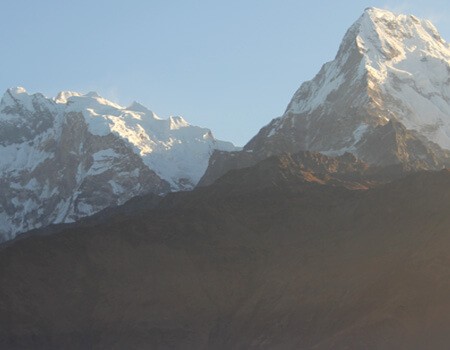
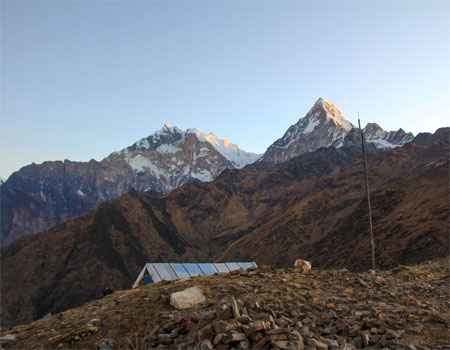
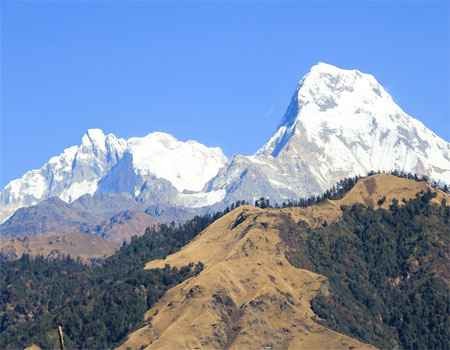
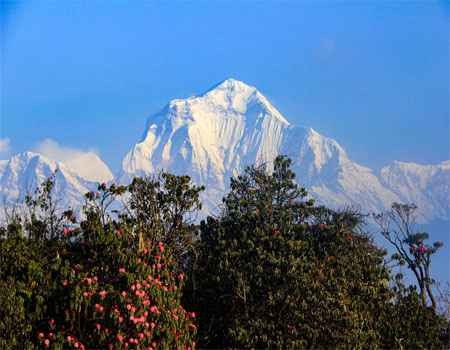
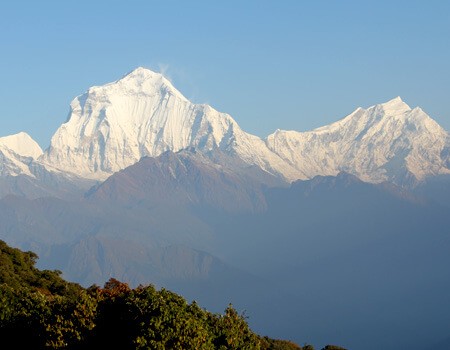
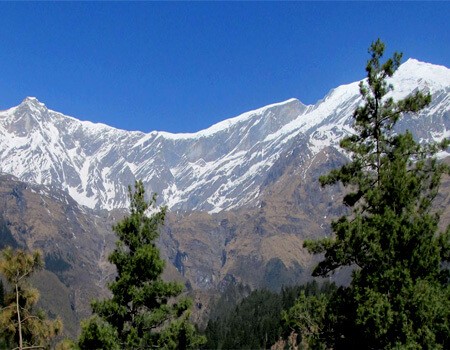
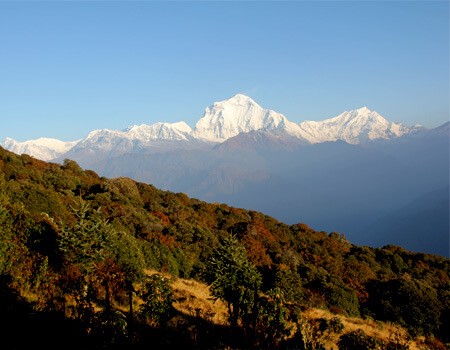
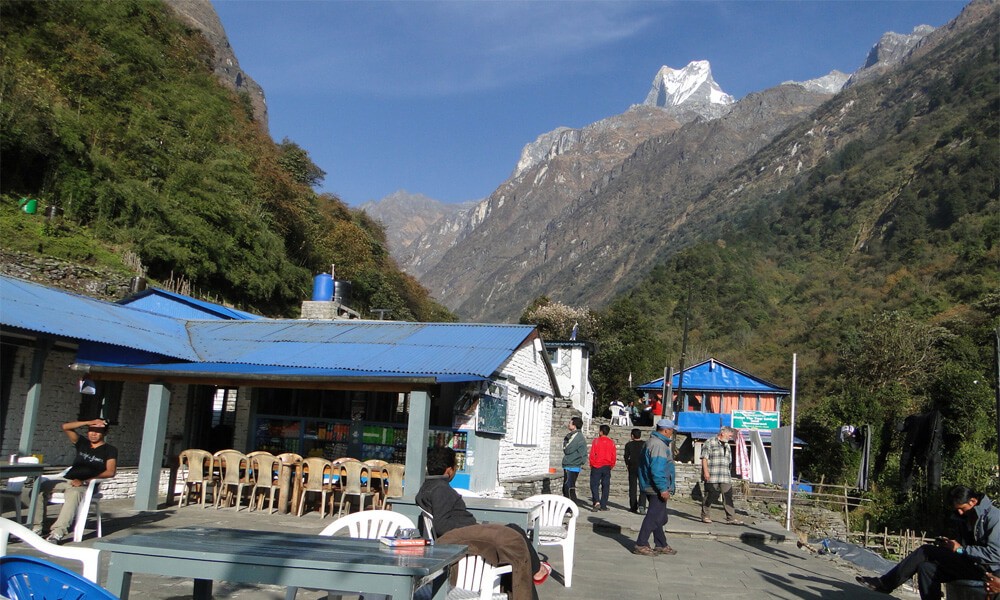
- Mountain Views: Annapurna I, Dhaulagiri, Annapurna South, Annapurna Fang, Fishtail (Machhapuchchhre), Nilgiri, and more
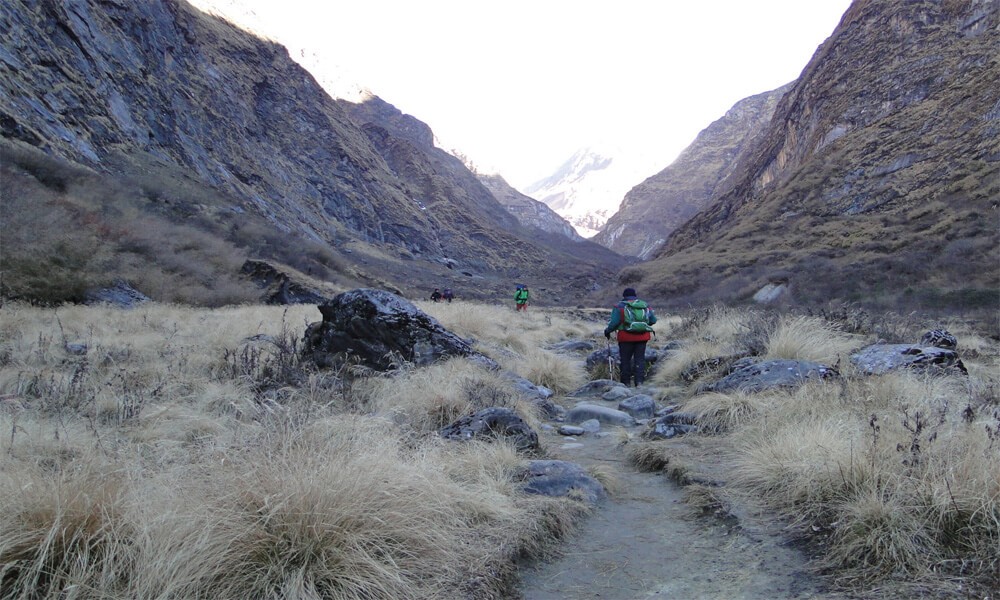
The Annapurna Base Camp (ABC) Trek is a moderate-level mountain trek in Nepal and the easiest base camp trip compared to other high-mountain base camps. It is located in the Annapurna Region, west of Kathmandu and near Nepal’s second-largest city, Pokhara.
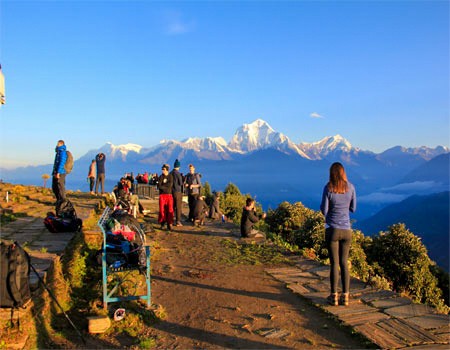
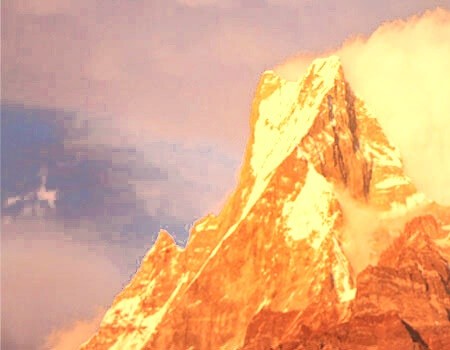
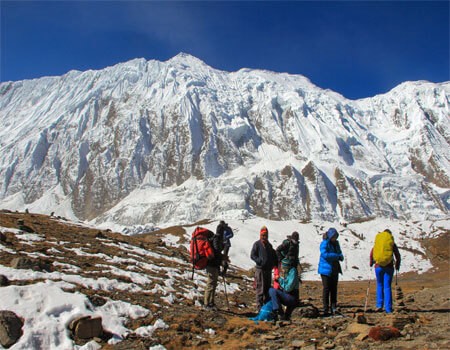
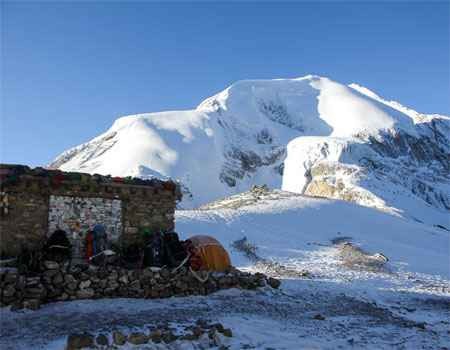
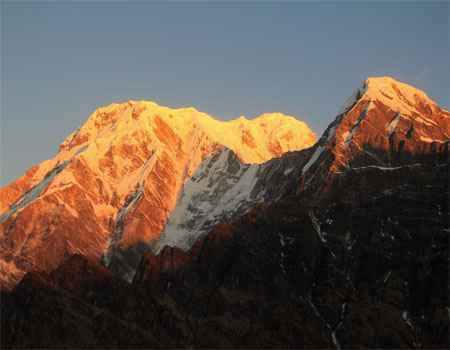
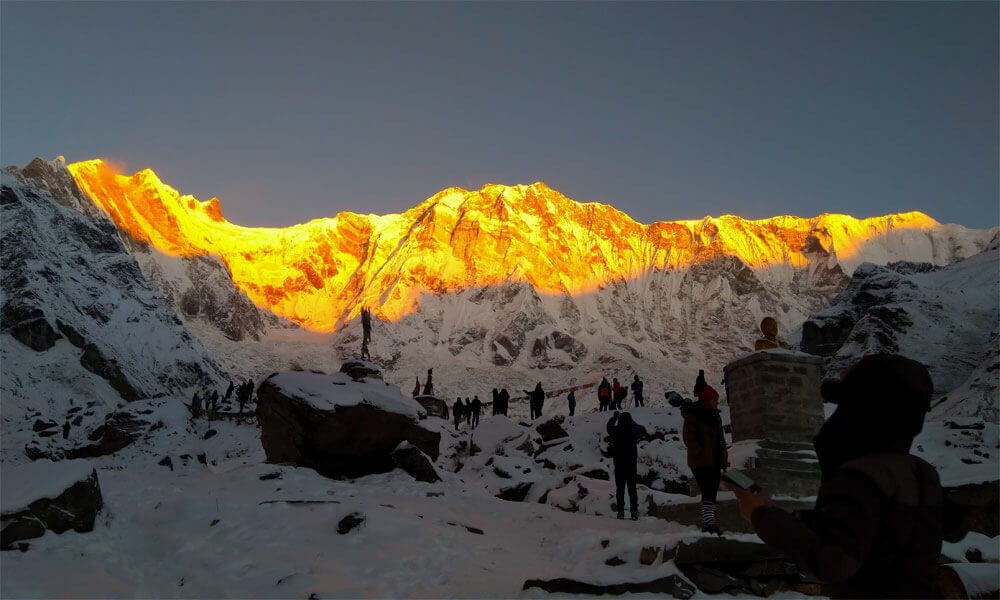
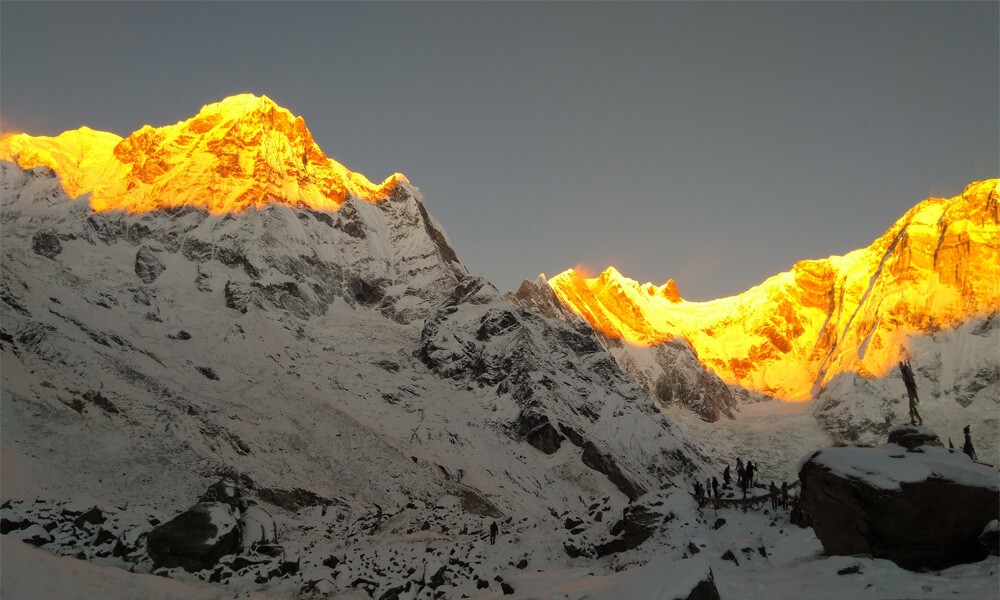
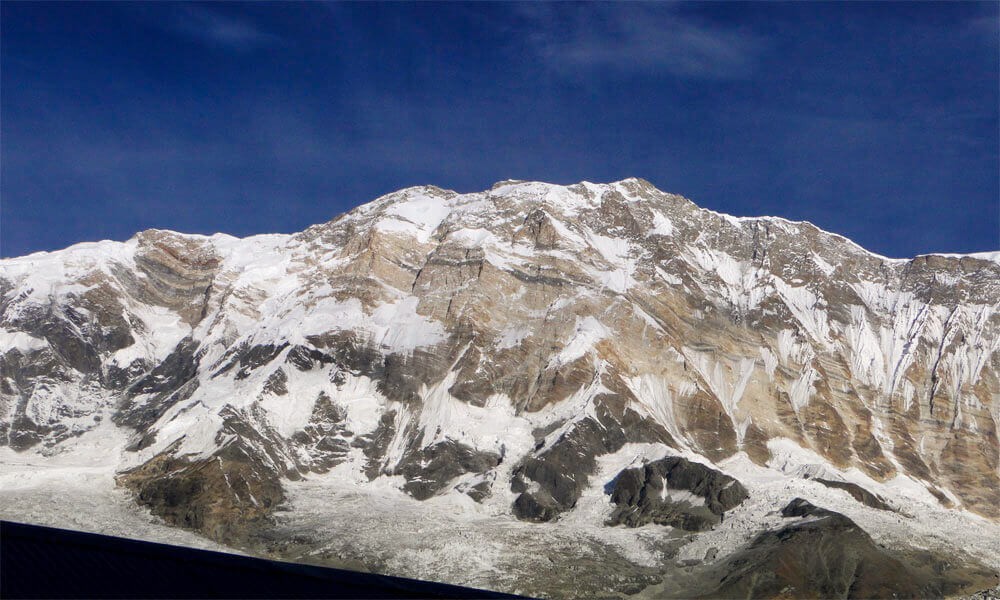
The Base Camp at 4,130 meters (13,549 feet) above sea level offers 360-degree views of the Annapurna Mountains in close distance. The color of the mountains at sunrise and sunset is captivating.
The 9-day actual trekking to Annapurna Base Camp from Pokhara to Pokhara, including 5 more days from Nepal arrival to departure, which includes one day Kathmandu Tour, 2 days Kathmandu-Pokhara-Kathmandu travel, and the final departure to home.
I recommend trekking from October to December and March to May; however, most companies recommend September too, but it rains a lot due to climate change (You do not find authentic evidence in any trusted sites like Wikipedia, but I am sharing my experience, which I have been experiencing for a few years). November and December offer the most pleasant weather, so you can enjoy crystal-clear mountain views from morning to evening. But the temperature will be cold. I suggest wearing warmer clothes.
Namaste! I am Rajesh Thapaliya, operating trekking and tour services in Nepal, including Annapurna Base Camp treks, and I trek every year, so I am up to date with the region. I am sharing my personal experience to provide authentic, up-to-date information about the trek conditions for people who are planning to go there.
I started trekking to the ABC and other mountain regions in 2000 and have experienced lots of changes due to climate change and road construction. This trip used to take 10-15 days, but now it can be completed in 8-9 days thanks to improved road infrastructure to higher elevations.
What is the Best Time of Year to Trek to Annapurna Base Camp?
Autumn (September-November) and spring (March-May) are considered the best times to trek to Annapurna Base Camp; however, as I already mentioned above, September has lots of rain, and late May can be rainy in the lower region and bring soft hail at higher elevations. The views might not be clear if it rains, snows, or drops soft hail.
So far, I strongly recommend visiting the Annapurna Base Camp from October to December and from March to the first half of May. January and February are also doable with extra warm clothing because it snows less compared to a decade ago due to climate change.
Check some major differences between spring and autumn below:
| Spring | Autumn |
|
|
After some quick information about spring and autumn from above, I am going to provide detailed information about these two different seasons below:
Pre-Monsoon Season (March to May)
Spring comes before the monsoon, Nepal's driest season. It begins in March and ends in May. It is a dry and warm season, but it brings the most beautiful nature, with colorful flowers blooming in the forests.
If you do not like super cold temperatures, spring can be the best time to trek to the Annapurna Base Camp. You do not have to pack super warm clothes for April and May; however, March is still cold.
Because of dryness and almost no rain, the environment will be hazy from dust and smoke, and you won’t be able to see mountain views from a long distance. Rivers and Waterfalls are small during this dry time along the way.
Post-Monsoon Season (September-November)
It rains a lot in Nepal from June to August; then autumn comes. September marks the start of autumn; it still rains a lot for a few years because of the changing climate. This season offers the finest weather with dark greenery, blue skies, and bright mountain views even from a far distance.
The waterfalls will be roaring, and the Himalayan cherry flowers will be blooming along the Annapurna Base Camp route. The temperature will be colder, especially in November, than in September and October.
The trekking trail will be crowded in autumn. It is the festival season in Nepal, so many domestic trekkers will be walking this trail during their holidays. The guesthouses are often full, so people who trek without a guide in autumn may struggle to find a place to sleep.
Winter Season (December to February)
Not many people trek in winter because of the cold. However, December offers the best views from morning to evening. December is the first month of winter, which is why I did not keep it in the autumn section. Trekking in a quieter environment and with the finest views, December is the best month of the year. However, you must pack warmer clothing than in other months.
There are trekkers on this route in January and February too, but it may be snowing a lot some days and be risky.
How Much Does the Annapurna Base Camp Trip Cost?
It costs 1099 USD for a single trekker, which covers from arrival in Nepal to departure, on a full-board basis. The price covers international airport transportation, tourist coach Kathmandu-Pokhara-Kathmandu, private transport to the trekking starting point, and after the trek, all necessary paperwork including Annapurna Conservation Area (ACA) permit, guide, three nights hotel accommodation with breakfast in Kathmandu, two nights hotel accommodation with breakfast in Kathmandu, and all meals and guesthouse accommodation in the mountains.
Still, the cost for the Annapurna Base Camp depends on the hotel category in the cities and other requested services. It also differs by group size. A family, couple, or friends who book the trip at the same time can get special offers and discounts.
- 1 Trekker – 1099 USD
- 2-4 Trekkers – 1025 USD per person
- 5-10 Trekkers – 975 USD per person
Breakdown Cost for the Trek
Transportation Cost
- Kathmandu-Pokhara Tourist Bus: 10 USD
- Kathmandu-Pokhara Flight: 100 USD
- Kathmandu-Pokhara Public Bus:9 USD
- Kathmandu-Pokhara Private Car: 150 USD
- Pokhara-Birethanti Private Car: 25 USD
- Pokhara-Banthanti Jeep: 70 USD
- Samrung-Pokhara Private Jeep (after the trek): 70 USD
Food Cost
- 10-15 USD per meal
Drinks, Hot Shower, and Battery Charging Cost
- 10-15 USD per day
Accommodation Cost
- 5 USD per night
Permit Cost
- Annapurna Conservation Area (ACA): 3000 NPR
Guide Cost
- 25 USD per day
Porter Cost
- 18 USD per day
In addition, extra drinks, shopping, and tipping the guide and porter are extra expenses.
What Permits are Required to trek Annapurna Base Camp?
The Annapurna Conservation Area (ACA) entry permit is the only permit required for this trek. Trekkers must have the Trekker’s Information Management System (TIMS) permit, but it is not required now; the next regulation will be announced by the Nepal Tourism Board (NTB).
Free Individual Trekkers (FIT) can also get the ACA permit from the National Trust for Nature Conservation (NTNC) offices in Brikutimandap, Kathmandu, and Pokhara, at the counter and online through the website. For the counter request, trekkers must have a physical passport-size photo, and for the online application, they can upload a digital photo with details from the applicant’s passport.
It costs 3000 NPR for all trekkers except for the South Asian trekkers from India, Pakistan, Sri Lanka, Maldives, Bhutan, and Bangladesh. It costs 1000 NPR for them, and no permit is required for the Nepali domestic trekkers, guides, and porters.
Do You Need a Guide to Trek to Annapurna Base Camp?
No, a guide is not mandatory to trek to the Annapurna Base Camp. But I highly suggest hiring a professional trekking guide. If you have a guide, you can trek stress-free and enjoy nature more.
A guide takes care of all the difficulties, such as sickness, accidents, and lodge bookings, and provides information about the trek and Nepal in general. Trekking in the mountains seems easy, but no one can predict what happens along the way. Guides are well-trained and quick to communicate, ensuring safe and successful trips for their clients.
Outline Itinerary of the Trek
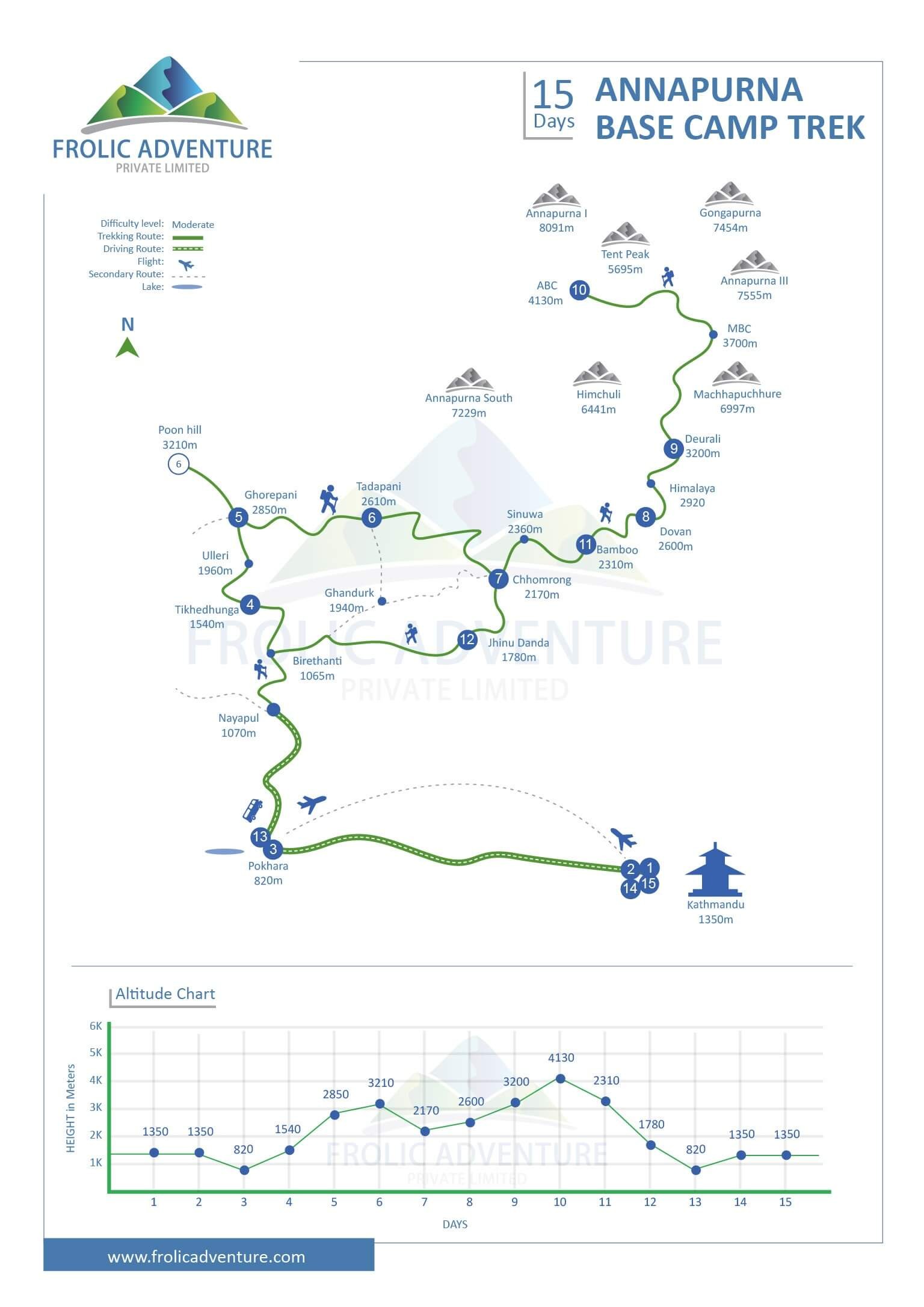
I have set up a 14-day trip Itinerary from arrival in Nepal to departure, including a 9-day walk in the mountains from Pokhara to Pokhara. According to the itinerary I have set up for this package, we pick our client from the Tribhuvan International Airport (TIA) in Kathmandu, trip meet and Kathmandu day tour on the second day, drive to Pokhara (flight optional available), on the third day, drive to Birethanti and trek to Ulleri on the fourth day, trek to Ghorepani on the fifth day, hike to Poon Hill and trek to Tadapani on the sixth day, trek to Chhomrong on the seventh day, trek to Himalaya Hotel on the eighth day, trek to Annapurna Base Camp (ABC) on the nineth day, then return the same way to Bamboo on the tenth day, trek to Jhinu Danda on the eleventh day, drive from Samrung to Pokhara on the twelveth day, drive back to Kathmandu on the thirteenth day, and departure to the airport for the client’s final flight to home.
Here is the day-to-day itinerary for the Annapurna Base Camp trek, with altitudes and walking times below, for your ease of understanding.
- Arrive in Kathmandu 1,350 meters (4,429 feet)
- Full-day Kathmandu City Tour.
- Drive to Pokhara, Lake City 8,20 meters (2,690 feet.) 6-7hrs.
- Drive from Pokhara to Birethanti for 2 hrs, then trek to Ulleri 2,050 meters (6,725 feet). 5 hrs.
- Trek from Ulleri to Ghorepani 2,850 meters (9,350 feet) for 5- 6 hrs.
- Hike up to Poon Hill 3,210 meters (10,531 feet) and trek to Tadapani 2,610 meters (8,562 feet). 5 hrs.
- Trek from Tadapani to Chhomrong 2,170 meters (7,119 feet). 5 hrs.
- Trek from Chhomrong to Himalaya 2,900 meters (9,514 feet). 7 hrs.
- Trek from Himalaya to Annapurna Base Camp 4,130 meters (13,549 feet). 6 hrs
- Trek back from Annapurna Base Camp to Bamboo 2,310 meters (7,578 feet). 5-6 hrs.
- Trek from Bamboo to Jhinu Danda 1,780 meters (5,839 feet) 5 hrs.
- Drive from Samrung to Pokhara 8,20 meters (2,690 feet) 4 hrs.
- Drive back to Kathmandu—farewell dinner with Frolic Adventure.
- Departure for the international airport
For day-to-day details on the itinerary mentioned, please visit the main itinerary section and click the expand button.
How Difficult is the Annapurna Base Camp Trek?
It is not difficult to trek for regular hikers; however, it can be a bit challenging for beginners. However, everyone can trek to Annapurna Base Camp with strong determination and training.
The walking trail has lots of ups and downs, so it can make trekkers fatigued. Small stones and shiny stone steps can be risky when descending, so even expert hikers must be careful.
The trail is snowy and icy, especially between Machhapuchchhre Base Camp (MBC) and ABC, and it can be slippery. It is not always slippery, especially after heavy snowfall. You will be informed in advance of the trek and advised to bring spikes or crampons.
On the regular trail in spring, it can be very dangerous from avalanches, so there will be another cross path to this risky area. If you have a guide, they know the safe route and will take you that way. If you are trekking on your own without a guide, you might not be aware of this risky area.
How to Prepare and Train for the ABC Trek?
You do not need to train much if you are a regular hiker. Still, beginners who do not hike often should do some training and preparation before going on the ABC Trek.
Recommended training includes both indoor and outdoor training. You need to hike at least once a week for around 15-20 kilometers (up and down hills) if possible, with a minimum of 5 kg weight on your back, which will be beneficial for walking in the mountains with your personal things, day snacks, and rain gear. Instead of hiking, you can also run for a few kilometers every day.
You can train your muscles, thighs, calves, joints, and ankles at the fitness center. Focus on aerobics rather than weightlifting, which will be very beneficial for the heart and lungs at high altitudes. You can also use a treadmill for at least 20-30 minutes every day.
What is the Risk of Altitude Sickness in the ABC Trek?
There is minimal risk of altitude sickness in the ABC Trek. However, some people can feel it. There is less atmospheric pressure than on other mountain routes like the Annapurna Circuit, Everest Base Camp, or the Manaslu Circuit. There is plenty of vegetation up to near MBC, with plenty of oxygen in the air. If you do not have heart or lung problems, altitude sickness is not a big deal in the Annapurna Base Camp region.
Another good thing about the ABC Trek is that you start hiking at a lower elevation, around 1000 meters, and ascend gradually. Poon Hill is 3,210m / 10,531.5 feet, where you visit on the third day of the trek, helping you acclimatize to the altitude before you hit ABC at 4,130 meters (13,549.87 feet). You can reach a lower elevation quickly even if you suffer from altitude sickness on this trek.
You can prevent the illness by drinking plenty of water, getting enough sleep, and staying warm. Please do not hesitate to inform the guide of any unusual feelings during the trek, and do not use any sleep medication if you struggle to sleep at high altitudes.
Is Trekking to Annapurna Base Camp Safe?
It is mostly safe; however, trekking in the Annapurna region is not always safe. You must choose the right season, not walk alone, and be smart while walking.
June to August, with lots of rainfall: the trail will be slippery, and the streams you need to cross along the way are fast, deep, and big, which quickly access the dangerous Modi River. Crossing a small wooden footbridge can be dangerous.
October to December is the safest time to trek to the Annapurna Base Camp; however, you must be very careful and keep alert to your eyes and ears near Deurali while trekking in the spring and using an alternative path in that risky area.
Annapurna Base Camp (ABC) Vs Everest Base Camp (EBC) Trek
It depends on your time limit, budget, physical fitness, and experience with high altitudes when choosing between Annapurna Base Camp (ABC) and Everest Base Camp (EBC) treks. The ABC is a shorter, lower-altitude trek (4,130 meters/13,549.87 feet), low-budget, and more affordable for everyone, including beginners with some hiking experience. On the other hand, Everest Base Camp (EBC) is longer, at a higher elevation (5,360 meters / 17,598.43 feet), and the ground transportation connection to the trek is not easy; flights to Lukla are often canceled, and the domestic airline fare is high. However, it is a rewarding trek for experienced high-altitude trekkers, offering hundreds of high-mountain views, including the world’s highest peak.
| Feature | ABC | EBC |
| Max Altitude | 4,130m (13,549 ft) | 5,364m (17,598 ft) |
| Trek Duration | 8-14 days | 10-15 days |
| Average Cost | 700 – 1099 USD | 1000 – 1350 USD |
Difficulty | Moderate (Steep stairs) | Challenging (High altitude) |
| Starting Point | Pokhara (Road access) | Lukla (Flight required) |
| Landscape | Forests, terraced fields, sanctuary | Glacial moraines, alpine desert |
Choose the ABC Trek under these conditions:
If you are a beginner, the lower altitude carries a very low risk of Acute Mountain Sickness (AMS). If you are not familiar with high altitudes, the ABC is perfect for you; you can try the EBC after you acclimatize to the ABC.
If you have limited time, it is a shorter trek with easy access to transport to the city. If you have limited time, Annapurna Base Camp is the best option because you can complete your trek on time and won't have to worry about missing your international flight.
Low-budget trek: If you are looking for a low-budget mountain trek that takes you close to the high mountains, the ABC trek can be done on a low budget and takes you very close to the high mountains within a few days’ walk from the city.
Choose EBC Trek under these conditions:
If you are a usual hiker, have high altitude experience, and have a big wish to stand at the bottom of the world’s highest mountain: The EBC is at high altitude (5,364m (17,598 ft) and you must have prior high elevation experience to experience stepping at the bottom of the world’s highest mountain.
If you want to explore high-alpine scenery and a greater number of mountains, the EBC trek is better if you like to explore high-mountain glaciers, high-alpine atmosphere, high-Himalayan settlements, and lifestyle.
If you love to see Sherpa culture and experience their hospitality: Sherpas are the local inhabitants of the Khumbu Everest Region. They are well-known as great mountain climbers. The EBC trek is perfect for you if you are curious about their culture, lifestyle, daily activities, and want to experience their hospitality.
Annapurna Base Camp (ABC) Vs Annapurna Circuit Trek (ACT)
Accordingly, you might also be interested in the differences between Annapurna Base Camp (ABC) and the Annapurna Circuit Trek (ACT). Both treks are in the same mountain region and require a similar ACA permit, obtained from the National Trust for Nature Conservation (NTNC). However, there are vast differences between these two treks, even though they are in the same mountain region.
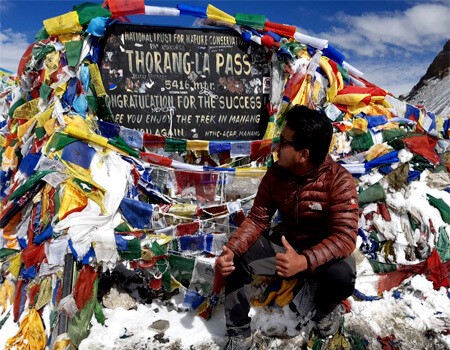
It depends on your time limit, budget, physical fitness, and experience with high altitudes when choosing between Annapurna Base Camp (ABC) and Annapurna Circuit Trek (ACT). The ABC is shorter, at a lower altitude (4,130 meters / 13,549.87 feet), low-budget, and more affordable for everyone, including beginners with some hiking experience. On the other hand, the Annapurna Circuit Trek (ACT) is longer, at higher elevations, and includes a crossing of the Thorong La Pass (5,416 meters / 17,769.03 feet), and it costs more due to the longer duration. However, it is a highly rewarding trek for physically fit, acclimatized trekkers who want to experience dramatically changing climate zones and cross one of the world's highest trekking passes.
| Feature | ABC | ACT |
| Max Altitude | 4,130m (13,549 ft) | 5,416m (17,769 ft) |
| Trek Duration | 8-14 days | 9-16 days |
| Average Cost | 700 – 1099 USD | 750 – 1150 USD |
| Difficulty | Moderate (Steep stairs) | Challenging (High altitude pass) |
| Starting Point | Pokhara (Road access) | Besisahar (Road access) |
| Landscape | Forests, terraced fields, sanctuary | Diverse, from subtropical jungles to alpine desert |
Choose the ABC Trek under these conditions:
If you are a beginner or have limited time, the lower altitude carries a very low risk of Acute Mountain Sickness (AMS), and it is a shorter trek with easy access to transport from Pokhara. If you are not familiar with high altitudes or only have a week to spare, the ABC is perfect for you to complete on time without missing your schedule.
If you want to be surrounded by close-up peaks: The trek takes you straight into the Annapurna Sanctuary, placing you in a massive glacial basin surrounded by a 360-degree amphitheater of towering, close-up mountain walls.
If you are looking for a low-budget mountain trek that takes you close to the high mountains, the ABC trek is a good option. With simple overland transport and fewer trekking days, it can be done on a low budget and brings you very close to the high mountains within a few days' walk from the city.
Choose the ACT Trek under these conditions:
If you want to explore drastically changing landscapes: The ACT is better if you like to explore an incredible variety of scenery, walking from lush green subtropical jungles and deep river gorges up into the dry, high-alpine desert atmosphere in the rain shadow of the Himalayas.
If you love to see diverse cultures and experience ancient mountain traditions: The ACT trek takes you through a massive shift in local demographics. It is perfect for you if you are curious to experience the transition from Hindu villages in the lower foothills to deeply rooted Tibetan Buddhist communities, ancient monasteries, and the distinct highland lifestyle of Manang and Mustang.
What is Teahouse Accommodation Line on the ABC Trek?
There are twin-sharing beds in most of the trekking camps, where you spend the night in teahouses during the trek. The beds have clean bedsheets and a pillow. The pillow is soft, but it might not be soft enough for everyone.
The toilets and showers are shared with others. It means there are no bathrooms corresponding to the bedrooms. Most guesthouses provide one blanket for each trekker in the room, but it may not be warm enough, so I suggest bringing a warm sleeping bag.
Teahouses in Himalaya Hotel, Deurali, and ABC have some rooms with four beds, so you might have to share the same room with strangers for a couple of nights on this trek.
What Kind of Food is Available on the ABC Trek?
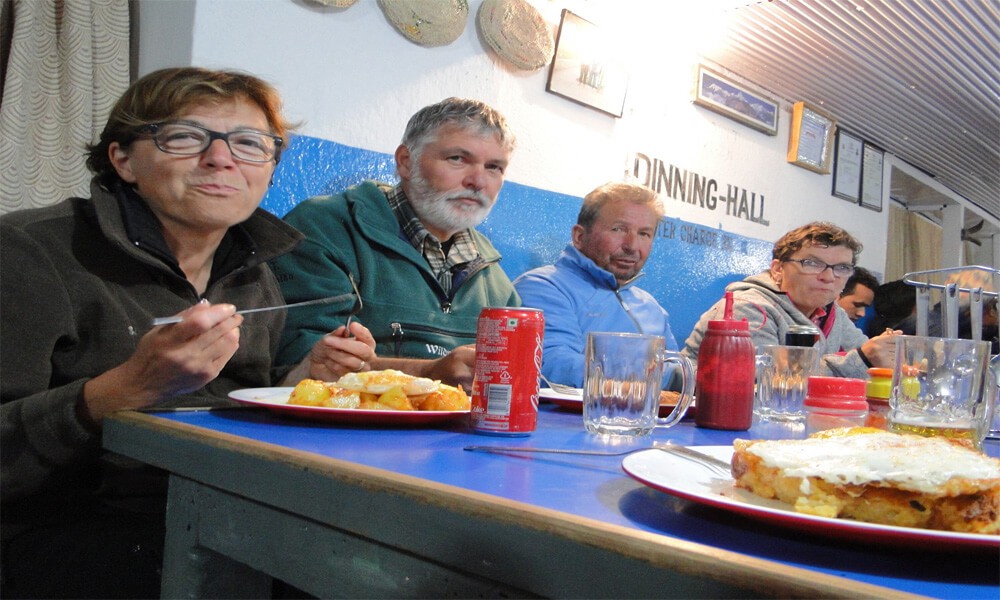
The food on the ABC trek is served from a menu. At every teahouse you stay at, there is a menu with various items, including the Nepali local meal (Dal Bhat) and others.
You can choose anything you would like from the menu, based on your interest and hunger. As a respectful and holy region, you won’t get meat in the higher areas for a few nights. And please, do not expect the food to taste the same as in the cities while trekking. The guesthouses along the ABC route after Chhomrong make better pizza and pasta than other dishes.
Can I Buy Mineral Water on the ABC Trek?
No, you can’t buy mineral water on the trek because the region is controlling the use of plastic. Still, you can buy it in lower areas only in certain places. They sell boiled and filtered water in the higher areas and refill it into your bottle from the big barrel in the lower areas, so please carry a water bottle with you.
You can drink regular tap water, but do not forget to use purification tablets or sterilizers. If you drink the normal tap water, you must have at least two different bottles.
Is There Wi-Fi and Cell Phone Networks Available on the ABC Trek?
Yes, every teahouse has Wi-Fi service on the trek, but it is sometimes slow. Wi-Fi is free in most places, except in a few higher areas for a few nights. Similarly, cell phone coverage is working. But the last three places have no reception, and you cannot use mobile data.
You can buy a Nepalese eSIM or physical SIM with a data package at the airport, in Kathmandu, or in Pokhara. NTC and NCELL are the major SIM providers, but NTC has had better coverage in the Annapurna Region to date.
Are There Hot Showers and Do I Have to Pay for It?
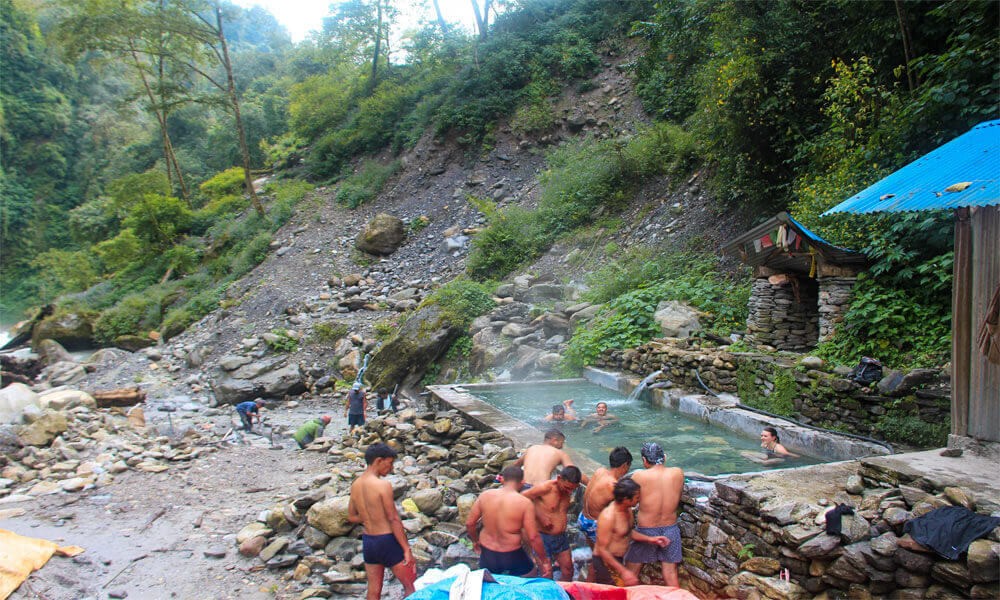
Yes, you can have hot showers at every teahouse where you stay, but the lodges charge an extra fee of around 300-400 NPR. You can get a free hot shower at the first place in Ulleri and in Chhomrong on the fourth day. You will visit a natural hot spring in Jhinu Danda (the last night of the mountain) before you get to the city of Pokhara.
For the rest of the trekking days, such as in Ghorepani, Tadapani, Himalaya Hotel, Annapurna Base Camp, and Bamboo, the lodges charge for hot showers because they use gas to heat the water, which they must carry from a long distance away.
Trek Gear to Pack for Annapurna Base Camp
You need to pack good trekking gear for Annapurna Base Camp. I have mentioned a short list of equipment below for your ease in packing:
- Backpack (50-60L)
- Daypack
- Sleeping bag
- Trekking poles
- Down jacket
- Thermal base layers
- Layered clothing
- Waterproof jacket & rain gear
- Hiking boots
- Trekking socks (wool)
- Headlamp
- Water bottle or hydration pack
- Sunglasses
- Crampons
- Sun hat/cap
- Lightweight gloves
- Swimming costume
- Portable power bank
- Water purification tablets
- Personal first aid kit
- Toiletries
- Lightweight sandals
- Fleece jacket (mid-layer)
- Neck gaiter or buff
For detailed information about the packing list for Annapurna Base Camp, please read the blog post I have written.
Annapurna Base Camp Trek Booking with Frolic Adventure
Frolic Adventure offers trekking trips to Annapurna Base Camp with experienced, English-speaking guides authorized by the Nepal Government and the Nepal Tourism Board (NTB). The guides are well-trained in altitude sickness management and knowledgeable about Nepal, the mountain regions, and the Annapurna Base Camp route.
Our goal is to provide memorable trips at a very reasonable cost, with safety and satisfaction for our clients. We offer easy online booking with secure payment options. So, book your trek now with a 10% advance deposit and pay the rest later to save your seat.
Frequently Asked Questions (FAQs) About the ABC Trek
What is the best time of year to trek to Annapurna Base Camp?
The optimal months are October to December and March to mid-May. October through December offers crystal-clear mountain views and dry weather, though temperatures drop significantly. Spring (March to May) brings warmer weather and blooming rhododendrons, whereas September and late May frequently experience rain and soft hail.
How difficult is the ABC Trek and how should I train?
The trek is rated moderate and accessible for beginners with proper preparation. The trail features steep stone staircases and continuous elevation changes. Prepare by doing weekly 15–20 km hikes carrying a 5 kg backpack, daily running or treadmill sessions (20–30 minutes), and leg-strengthening aerobic exercises.
How much does the Annapurna Base Camp Trek cost?
A complete 14-day itinerary costs roughly $1,099 USD for a solo trekker, $1,025 per person for groups of 2–4, and $975 per person for groups of 5–10. This covers airport transfers, city hotels, mountain guesthouses, all meals on the trail, transport, permits, and a professional guide.
What permits are required and is a guide mandatory?
You only need an Annapurna Conservation Area (ACA) permit, costing 3,000 NPR (1,000 NPR for SAARC nationals). TIMS cards are currently not required. While a guide is not legally required, hiring a professional guide is strongly recommended to assist with lodge bookings, altitude safety, and navigation of seasonal avalanche zones.
What is the risk of altitude sickness (AMS) on this trek?
The risk of altitude sickness is minimal compared to other major Himalayan treks. The route begins at a low altitude (~1,000 m) surrounded by dense, oxygen-rich vegetation. The early side-hike to Poon Hill (3,210 m) helps your body acclimatize before reaching Base Camp (4,130 m).
What are the accommodation and dining facilities like?
Trekkers stay in teahouses with twin-bedded rooms, basic bedding, and shared toilets (some high-elevation spots use four-bedded rooms). Food is ordered from menus featuring local Dal Bhat, pasta, and pizza. Due to local cultural and religious customs, meat is not served at higher elevations.
Are bottled water, hot showers, and Wi-Fi available on the trail?
Plastic mineral water bottles are banned in higher regions; you must refill reusable bottles with boiled or purified water. Teahouses charge 300–400 NPR for gas-heated hot showers. Wi-Fi and mobile networks (NTC/NCELL) work across most of the route, except for the final three high-altitude settlements.
How does the ABC Trek compare to the Everest Base Camp (EBC) Trek?
The ABC trek reaches a lower maximum elevation (4,130 m vs. 5,364 m), requires fewer days (8–14 days vs. 10–15 days), has lower AMS risk, and is more affordable. ABC features lush sanctuaries and terraced fields, whereas EBC requires flight transfers to Lukla and leads into high-alpine glacial landscapes.