About Kanchenjunga Trek
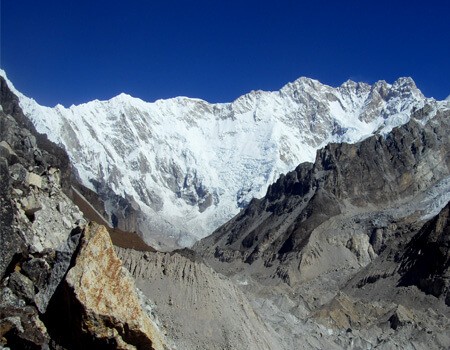
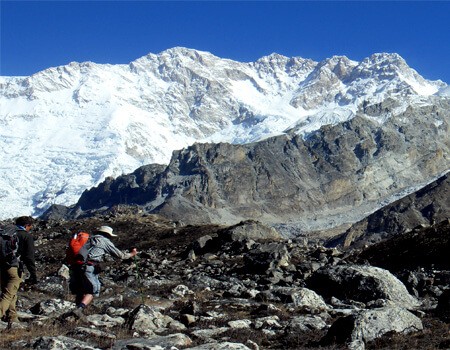
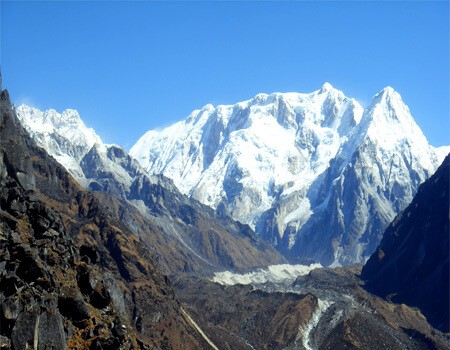
Mount. Kanchenjunga (8586m.) is the second-highest mountain in Nepal. Kanchenjunga lies in eastern Nepal, near Sikkim. Kanchenjunga is one of the restricted areas in Nepal. Kanchenjunga Conservation was established in 1997. Kanchenjunga covers 2035sq2 km. This conservation includes green forests, rivers, waterfalls, and higher lakes. Snow leopards, red pandas, and birds are found in this region. Innumerable ethnic groups live along the Kanchenjunga trekking route. Mount Kanchenjunga is also known as Yalung, which is a sacred mountain. Hinduism in the hilly areas and Buddhism in the mountain areas are the main religions in the Kanchenjunga trek. Many different types of rhododendrons bloom in the Kanchenjunga conservation area. Tea and cardamom are the people's primary income. Mountains, Limbu culture, vegetation, monasteries, mani walls, wildlife, Himalayan yak, river valleys, glacial lakes, and many more are the most beautiful sceneries of the region. Kanchenjunga is rich in Medicinal herbs from higher land. The primary source of income for the people of this region is cardamom. You'd better try Tongba and Chyang somewhere; they are the local and popular drinks of Kanchenjunga trekking.
There are two base camps on the mountain: the Kanchenjunga south base camp and the north base camp. The Kanchenjunga circuit trekking itinerary and two base camp itineraries are available for the Kanchenjunga trekking trails. The south base camp trek is a less-developed trekking area than the north, but you still have places to spend the night and food available. Kanchenjunga trekking is quite far from Kathmandu, so fewer tourists visit this trek than others. To do the Kanchenjunga trek, you must either drive from Kathmandu to Taplejung/Basantapur or fly to Suketar.
Frolic Adventure creates all the Kanchenjunga trekking itineraries according to your schedule. Depending on your time frame and interests, several starting and ending points are available. We have extensive experience and knowledgeable guides for the Kanchenjunga trek.