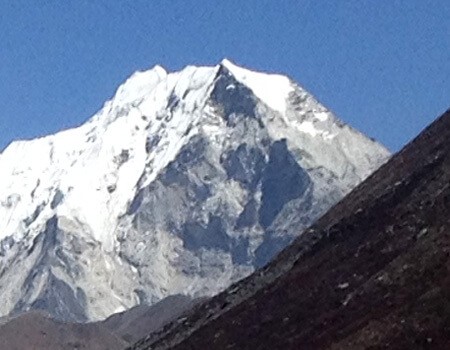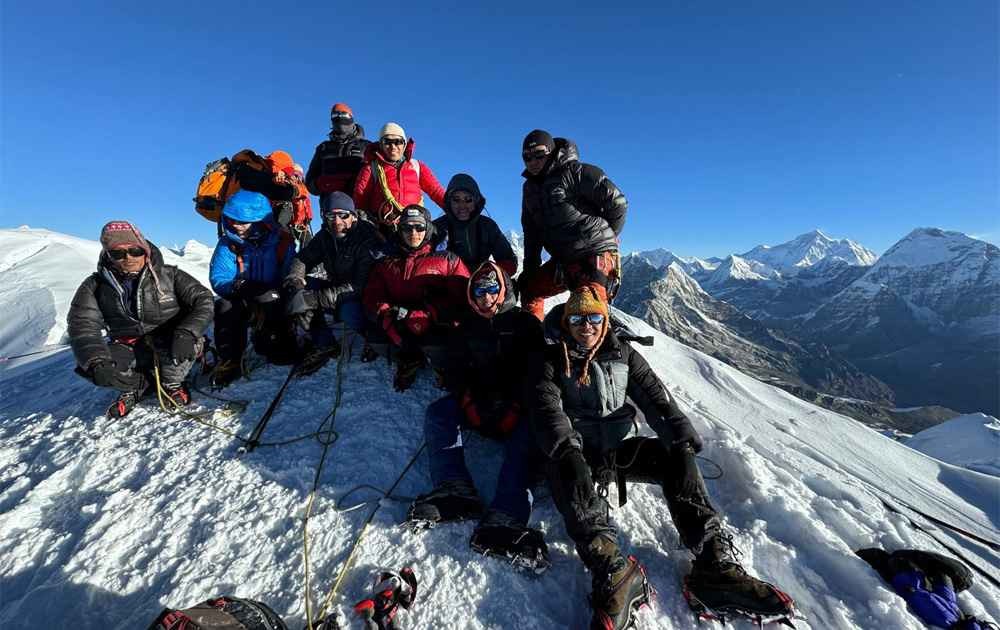




Mera Peak climbing is one of Nepal's most sought-after mountaineering adventures, which offers a blend of physical challenge, technical climbing, and breathtaking Himalayan scenery. Mera Peak stands in the Khumbu region within Makalu Barun National Park, at an elevation of 6,476 m (21,247 feet). It is the highest trekking peak to climb in Nepal. If you are an adventure seeker and looking for a peak to climb in Nepal that requires less physical effort with some technical support, Mera Peak is ideal for you to test your limits while enjoying panoramic views of iconic peaks such as Everest, Lhotse, Makalu, Cho Oyu, and Kanchenjunga.
Short Information on Climbing Mera Peak
Mera Peak is classified as a trekking peak and graded as "Facile Easy" (F) according to the French/Swiss Alpine Climbing Classification System. While technically less demanding than other Himalayan peaks, the climb requires physical endurance, mental resilience, and basic mountaineering skills. You need to have knowledge of glacier travel, steep ascents, and the use of technical climbing equipment such as crampons, ice axes, ropes, and harnesses before starting a journey to Mera Peak.
The route to Mera Peak begins with a flight from Kathmandu or Manthali to Lukla, the gateway to the Everest region. You trek through picturesque Sherpa Villages, dense rhododendron forests, and rugged terrain before reaching the Mera Peak Base Camp after you begin your walking journey from Lukla. The ascent typically includes acclimatization days and culminates in a summit push from High Camp at 5,800 meters (19,029 feet). The Mera Peak rewards you with unparalleled views of the Himalayas and a profound sense of accomplishment.
Challenges and Preparation to Climb Mera Peak
There are some challenges while climbing Mera Peak that require recommended preparation:
Altitude Risks: The elevation of Mera Peak is 6,476 meters above sea level, making altitude sickness a major concern for climbers. Some people may have symptoms such as headaches, nausea, dizziness, and shortness of breath above 3,500 meters. We suggest proper acclimatization to minimize the risk of altitude sickness during your Mera Peak climbing trip. You must follow a "climb high, sleep low" strategy and take rest days to allow your body to adapt to lower oxygen levels.
Weather Conditions: The weather at high altitudes is unpredictable and can include extreme cold (-20°C or lower), strong winds, and sudden storms. You must have proper layering with thermal clothing and windproof outerwear to protect yourself from harsh conditions.
Physical Fitness: Climbing to Mera Peak requires excellent physical fitness. Long trekking days (5–7 hours) on steep terrain require stamina and strength for everyone. We suggest doing cardiovascular exercises like running or cycling, combined with strength training for the legs and core muscles, as pre-trip preparation at least a month before you go on this peak climbing in Nepal.
Technical Skills: While not overly technical, you must be familiar with using crampons, ice axes, ropes, and harnesses. Training in glacier travel and knot tying can be beneficial for Mera Peak Adventure. Our Sherpa climbing guide helps and trains you with pre-climb training sessions before heading to the last camp's summit.
Essential Gear List for Mera Peak
A successful climb requires high-quality gear for Mera Peak tailored for high-altitude conditions, as suggested below:
- Mountaineering boots
- Crampons
- Ice axe
- Helmet
- Harness
- Ropes
- Insulated clothing layers (base layer, mid-layer fleece/down jacket, outer windproof jacket)
- Warm gloves and socks
- Sleeping bag rated for extreme cold
- Trekking poles
- Headlamp with spare batteries.
Frolic Adventure provides all essential climbing equipment, including a sleeping bag and down jacket. However, you must bring your alpine-wearing gear from home or buy it in Kathmandu before flying to Lukla for Mera Peak Adventure.
Best Time to Climb Mera Peak
Spring (March- May) and autumn (September–November) are the best times to climb Mera Peak. However, the Spring months offer warmer temperatures than the autumn months. These periods offer stable weather conditions with clear skies that enhance the visibility of the surrounding peaks. Also, winter climbs are possible but more challenging due to colder temperatures.
Permits Required for Mera Peak
You must have specific permits to attempt Mera Peak, which are listed below:
- Climbing Permit issued by the Nepal Mountaineering Association (NMA).
- Sagarmatha National Park entry permit.
- Local area permit for Makalu Barun National Park.
We arrange all required permits and legal papers before you depart for Mera Peak. You must provide us with a copy of your passport, travel insurance details, all emergency covers, information about whether you have climbed any other mountains, and a photograph of when you booked this climbing trip.
Cultural Experience from the Mera Region
The trek to Mera Peak offers more than just physical challenges; it provides an immersive cultural experience. You pass through traditional Sherpa villages where you can witness local customs and lifestyles. The Sherpa community's hospitality adds warmth to your journey on the Mera Peak route. Additionally, you often gain insights into Buddhist traditions by visiting Buddhist monasteries along the trail.
You will see many Mani Rocks, Mani Wheels, and Mani Walls with Stupas while walking towards Mera Peak. You love the mantras written on big rocks and walking clockwise, keeping these religious monuments to your right.
Safety Measures of Climbing Mera Peak
Your safety is paramount while trekking and climbing Mera Peak. How will you stay safe on the trip? Check them below:
- Our climbing and trekking guides monitor your health and assist in emergencies.
- Emergency evacuation plans should be in place.
- Hydration and proper nutrition are emphasized throughout the trek.
- You are advised to listen to your body and descend immediately if symptoms of altitude sickness worsen.
Cost for Mera Peak in 2026/2027
The cost of climbing Mera Peak in 2026/2027 varies widely depending on factors such as group size, season, itinerary, and the level of service provided. For a standard package that includes permits, accommodations, meals, domestic flights, guides, and porters, prices typically range from USD 2,050 to USD 3,000 per person. Frolic Adventure offers group packages starting at USD 2,000 for larger groups and up to USD 2,150 for individuals. Costs can be higher for private trips or with overseas operators, reaching up to USD 3,590 in some cases, so book with us for the best deals today and save your space for any time in 2026/2027.
Additional expenses for Mera Peak include climbing permits (ranging from USD 70 in winter to USD 250 in spring), equipment rentals or purchases, travel insurance, and personal costs such as tips or extra meals and drinks. Transportation costs, such as flights to Lukla (USD 500 round trip), also add to the budget. Ultimately, the total cost depends on the trek's duration, route selection, and whether you choose a budget-friendly or premium package.
Why Choose Mera Peak with Frolic Adventure
Mera Peak is considered an excellent choice for you. If you are new to mountaineering and seeking a stepping stone toward more technical climbs like Island Peak or Lobuche Peak and would like to have climbing experience earlier, Mera Peak should be one of the best options for you. Its relatively straightforward ascent and stunning Himalayan vistas make it a rewarding experience to challenge yourself while enjoying Nepal's natural beauty.
Frolic Adventure operates climbing trips to Mera Peak and other trekking peaks in Nepal. We offer the best and most affordable prices for peak climbing, with a focus on your safety and satisfaction throughout your mountain adventure.