







The Heritage Walking Tour in Kathmandu offers an enriching experience, blending history, culture, and stunning valley views for everyone. During this walking tour, you will explore the vibrant markets, admire the architectural marvels, and soak in the panoramic sights of Kathmandu. This tour enriches your understanding of Kathmandu's heritage and leaves you with unforgettable cultural and historical memories.
Start walking through the local markets to the heart of Nepal's cultural and historical wonders with Heritage in Kathmandu, which immerses you in the rich tapestry of ancient traditions, architectural marvels, and spiritual significance, focusing on two UNESCO World Heritage Sites: Kathmandu Durbar Square and Swayambhunath Stupa.
The walking tour of the two Heritage Sites in Kathmandu is suitable for people looking for a low-budget cultural trip. Still, we offer a comfort tour with private transport, taking you to the four UNESCO Sites on the Kathmandu Day Tour for luxurious travelers.
Kathmandu Durbar Square (A Living Museum)
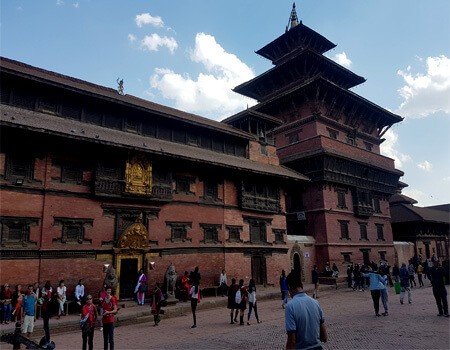
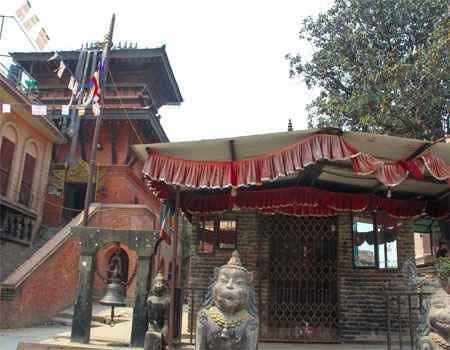
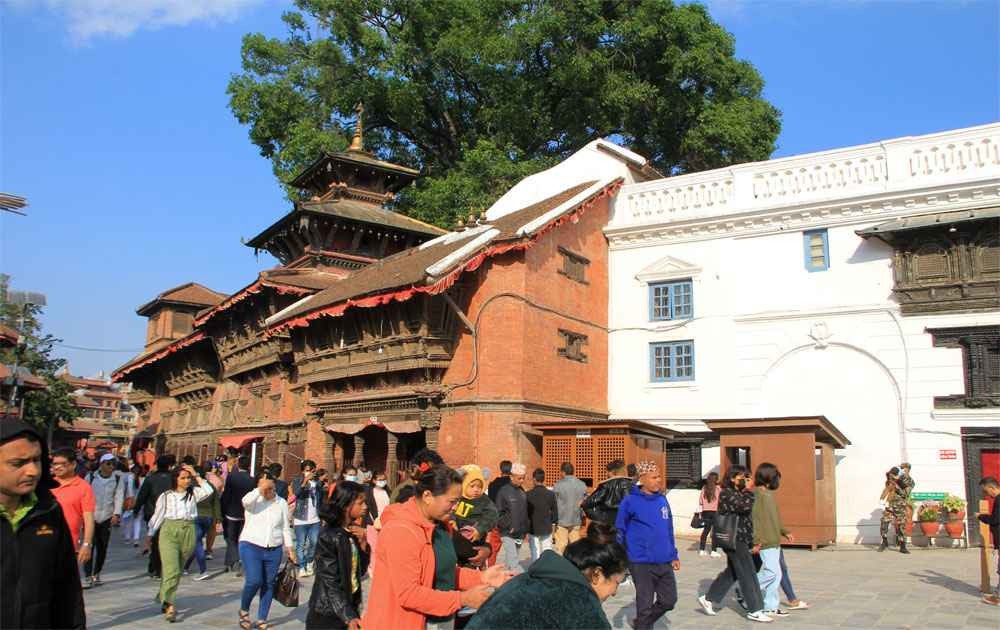
Kathmandu Durbar Square (Ancient Royal Palace of Malla and Shah Dynasties), also known as Basantapur Durbar or Hanuman Dhoka, stands as the historic core of Kathmandu, Nepal. Crafted during the Malla dynasty, the square showcases a dense collection of ancient temples, sculptures, and monuments. It is a museum of more than 50 temples within its grounds. The intricate stone and woodwork adorning the structures narrate tales of bygone eras, inviting exploration of its historical narratives.
You walk to Kathmandu Durbar Square from the tourist hub Thamel in the morning after breakfast. You will quickly explore a magnificent Buddhist Stupa at a small yard in Sighal, then walk to Bangemudha. You will see hundreds of fixed coins on a wooden timber in Bangemudha with nails. People have traditional beliefs in the relief of tooth pain after placing a coin on this timber.
After seeing the tooth relief timber, you cross to Asan Bazaar, where you can see lots of spices, shops for the public's daily use, and the temple of goddess Annapurna. After visiting Ason Bazar, you walk towards Kathmandu City Durbar through Indra Chowk and see lots of pots, plates, jewelry, and clothing shops. You usually meet crowded locals in this area for shopping if you are here during the daytime.
History and Significance
Originally built in the 17th century, Kathmandu Durbar Square served as the royal residence of the Malla and Shah kings who ruled over Kathmandu Valley. King Ratna Malla first designated Kathmandu Durbar Square as the royal residence, marking the beginning of his reign over the city. After Prithvi Narayan Shah captured Kathmandu Valley in 1769, he made Kathmandu the capital. The square then underwent architectural transformations, reflecting the shifting dynamics of power and prestige. For 240 years, the Shah dynasty influenced Nepal's destiny from this capital. In 1963, King Mahendra commissioned the Narayanhiti Palace, and the Shah monarchs transitioned to this new seat of power.
Basantapur Durbar Square is an open-air art and architectural museum that allows visitors to learn about the past and immerse themselves in the legacies and rules of both the Malla and Shah dynasties. The square was severely damaged by an earthquake in 1934, necessitating extensive reconstruction and architectural restoration. The palace was listed as a UNESCO World Heritage Site in 1979.
Kathmandu Durbar Square is a place of spirituality and culture, which holds Nepal's history and legacy. The landmarks within the square embody the nation's rich history, showcasing centuries-old art, culture, belief systems, and traditions. The ancient culture gives the nation its true identity, and each structure tells the glorious history of ancient Nepal.
Key Highlights
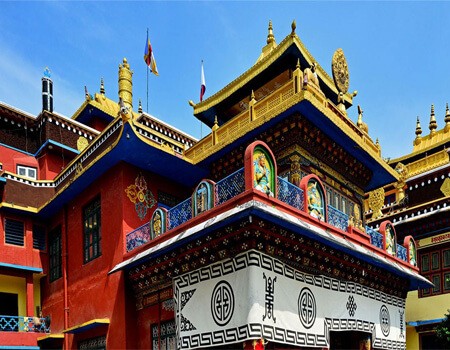
Temples and Shrines: You can explore numerous temples dedicated to Hindu and Buddhist deities and philosophies, including Kumari Ghar and Taleju Temple. These shrines and monuments hold great religious significance for both Hindus and Buddhists.
Historical Architecture: Marvel at the traditional Newar art and stunning architectural marvels displayed throughout the square's palaces and monuments.
Cultural Significance: Experience the cultural heart of Nepal, where royal coronations, religious ceremonies, and festivals like Indra Jatra take place.
Swayambhunath: The Monkey Temple
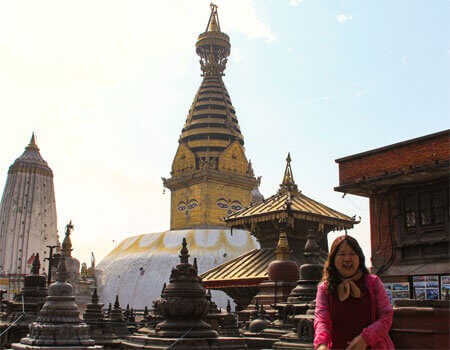
Perched atop a hill 75 meters above ground level, Swayambhunath, also known as the Monkey Temple, is an ancient religious complex west of Kathmandu City in the Kathmandu Valley. It is one of Nepal's most sacred Buddhist stupas and is considered one of the country's oldest religious sites. The temple is famous for the hundreds of Rhesus Macaque monkeys.
History and Significance
Swayambhunath is sacred to Buddhists and Hindus, with evidence of its use as a holy site dating back many centuries. According to the Buddhist Legend, Manjushree came from Tibet around 2,500 years ago and made a little dome. According to Hindu legend, the temple was founded by King Vrsadeva of the Gopal Dynasty in the fifth century. A damaged stone inscription confirms work was done on the complex in 640 CE. Some believe Emperor Ashoka visited the site in the third century BCE and built a temple that was later destroyed, suggesting the area's religious roots may date back even further. Hindu monarchs, including Pratap Malla, have paid homage to the temple. The eastern stairway was constructed in the 17th century and is still used today. In 2010, the stupa's dome was re-gilded with over 20 kg of gold. Although the structure sustained damage from lightning in 2011 and the 2015 earthquake, many sections remain preserved. In 1979, UNESCO inscribed it as a World Heritage Site.
The stupa has a distinctive structure and is the first of its sort in Nepal. Swayambhu means "the self-existent one. It is thought to have been constructed by King Manadeva in 460 A.D., and to have become an important Buddhist center by the 13th century.
Key Highlights
The Stupa: Admire the perfectly proportioned monument with a whitewashed dome and gilded spire adorned with the iconic faces of the Buddha staring out across the valley. The white dome represents the earth, while the 13-tiered structure symbolizes the 13 stages to nirvana and salvation.
Prayer Wheels and Flags: Spin the prayer wheels embossed with the sacred mantra Om Mani Padme Hum as you circle the stupa and witness the thousands of prayer flags carrying mantras to heaven
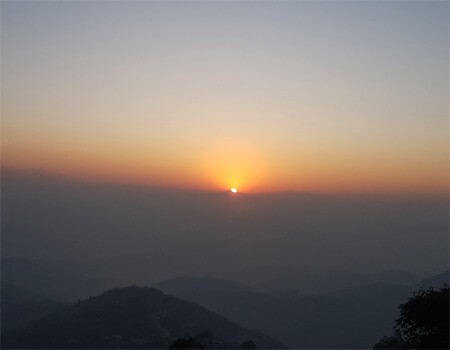
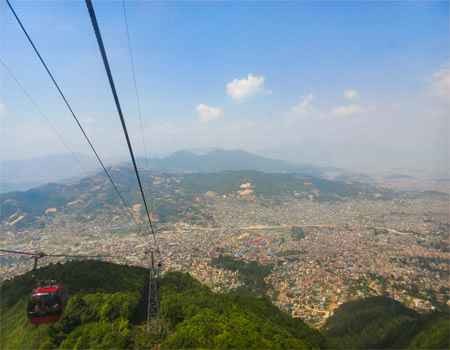
Panoramic Views: Enjoy breathtaking panoramic views of the Kathmandu Valley and potentially see snow-capped peaks on clear days
Frolic Adventure has been arranging knowledgeable legal tour guides since 2016. These guides are authorized license holders after successfully training and studying. You can hire a heritage guide with us without hesitation for your walking tour of these two heritage sites in Kathmandu. We are offering this tour to budget and adventure visitors who are looking for a physical and historical trip on a low budget in Kathmandu while they are in Nepal.