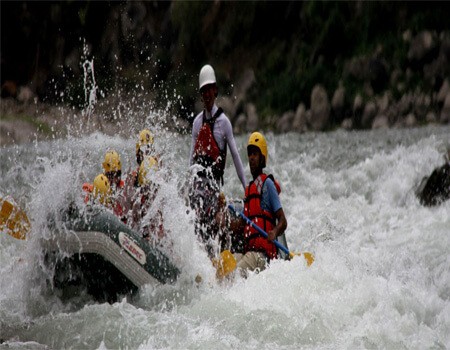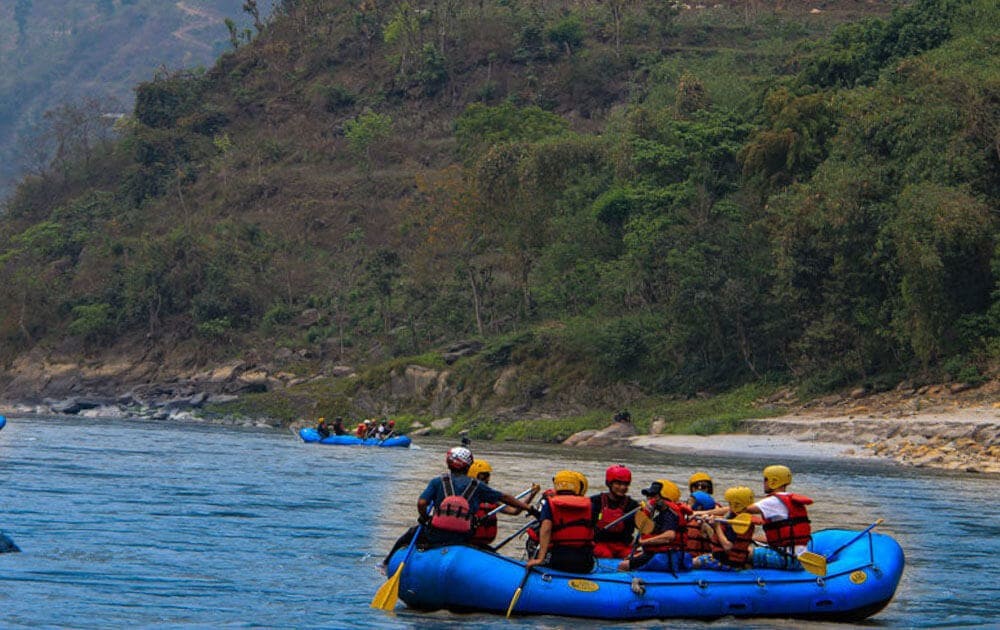






Trishuli River rafting is a popular water adventure activity in Nepal for both first-timers and experienced rafters, thanks to its white-water rapids. The river running from the Holy Himalayan Lake of Gosainkun, the Trishuli River, offers a mix of scenic beauty and exciting rapids. According to legend, the river was created when Lord Shiva drove his trident into the rocky mountains, forming three springs that feed it. Frolic Adventure is the best connection for every adventure-seeking individual for planning a Trishuli rafting trip in 2025, covering safety, duration, costs, and easy booking options.
Why Trishuli River is a Popular Choice
The Trishuli River is the nearest river to Kathmandu, Pokhara, and Chitwan for rafting, which makes it a quick and easy option for travelers. The river's moderate rapids, ranging from Class II to IV, make it suitable for families and beginners while still offering enough excitement for experienced rafters. The stunning scenery, including valleys, gorges, and beaches, enhances the overall rafting experience on Nepal's Trisuli River.
Best Time to Raft
The best time to raft on the Trisuli River is from February to mid-June and September to January. The summer and fall seasons are peak seasons with thrilling rapids, fast-flowing currents, and warm weather.
High Water Season: June to August and September to November, when it rains a lot, and the flow of the river will be high. If you are a professional rafter and love to enjoy bigger rapids, you can choose this season when the water flow will be high in the Trisuli River.
Low Water Season: March to May and December to February are dry seasons with the least rain, so the river will be smaller and the temperature will also be warm. If you are a beginner and still want to take a simple, safe rafting trip while traveling in Nepal, this is one of the best times for you.
How Safe is Rafting in Trishuli?
Rafting in the Trishuli River is generally considered safe, provided that safety guidelines are followed. The river is suitable for rafters aged 10 and above as long as they wear a rafting life jacket. Still, it can be risky to attempt bigger rapids during the monsoon. Our river guides always prioritize safety and avoid the dangerous rapids when they are big and risky.
How Long is Trishuli Rafting?
The duration of a Trishuli rafting trip can range from a half-day to multiple days and can vary depending on the chosen itinerary. A typical one-day rafting trip covers about 15-20 kilometers and lasts approximately 3-4 hours, but it might be faster if the river is high in the monsoon and in September. Multi-day trips offer the chance to explore more of the river and include overnight camping on secluded beaches.
Best Cost for Trishuli Rafting
The cost of Trishuli rafting varies based on several factors, including the duration of the trip, group size, and services included.
One-Day Rafting Package: For Nepali citizens, the cost is around NPR 2,500-3,000 per person. For foreign citizens, the cost is around USD 25-35 per person. These packages typically include safety equipment, lunch, and an experienced rafting guide.
Multi-Day Rafting Package: The cost for a 1-night, 2-day trip ranges from USD 100 to USD 200 per person, depending on group size and vehicle type.
Book with Frolic Adventure for Safety and an Effective Price
Frolic Adventure offers excellent rafting arrangements on the Trishuli River, ensuring both safety and an exciting river trip. We provide all necessary safety equipment, including helmets and life jackets, and employ experienced guides.
A Quick Demo of a One-Day Trishuli Rafting Trip
- Drive to Benighat: A 3-hour drive from Kathmandu to Benighat, Dhading.
- Preparation: Gear setup and changing into comfortable, water-friendly clothes.
- Safety Briefing: The rafting guide provides safety tips.
- Rafting: Begin rafting on the Trishuli River, typically ending at Jabang Khola.
- Lunch: Enjoy a meal at a village resort with both vegetarian and non-vegetarian options.
- Drive Back: Return to Kathmandu, Pokhara, or Chitwan based on your itinerary.
Extending Your Trip
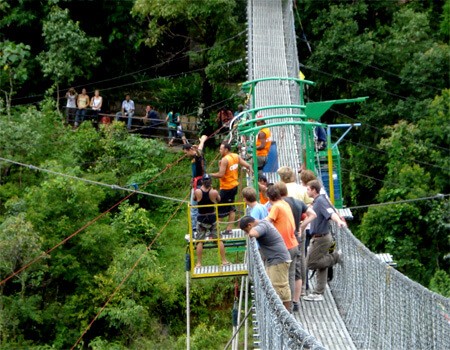
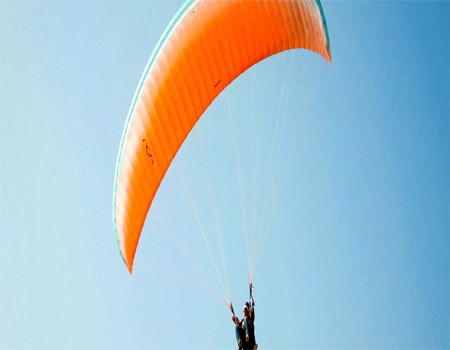
Consider combining your rafting trip with other adventures such as paragliding, bungee jumping, jungle safaris, or trekking. An extended journey may include camping on secluded beaches next to the river.