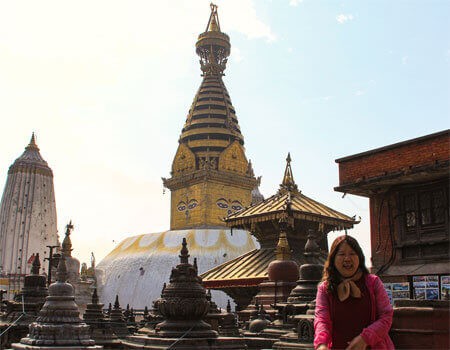
Everest Base Camp is a popular trekking trail for adventure-loving mountaineers. There are crowded trekkers in the high hiking season in Nepal. So, why is the Everest Base Camp Trek so popular, and what can we expect from it? Check them out here in detail.
What to Expect While Trekking to the Everest Base Camp
Table of Contents
Planning a trek to Everest Base Camp? If so, you must have exciting expectations for this adventure through the Himalayas! What can you expect from this trek? I want to share my journey with you, based on my personal experience since 2000.
A short flight connects to the Everest Base Camp Trekking Trail. You can fly from Kathmandu or Ramechhap (Manthali) to Lukla to enjoy the stunning Mountain views. It is an adventurous flight trip because Lukla Airport is known as one of the most dangerous airports in the world. However, flights won't operate in unfavorable weather.
Your Trekking journey begins at the Base Camp right after you land at Lukla Airport. You will reach the Base Camp in 8 trekking days. You may have many expectations for this trek, which is why you chose it for your holiday. So, what are the main attractions of the hike that make your trip joyful? You can only expect what you get on the trek, which makes your trip memorable. What should we expect from Everest Base Camp?
Lukla Flight Expectation
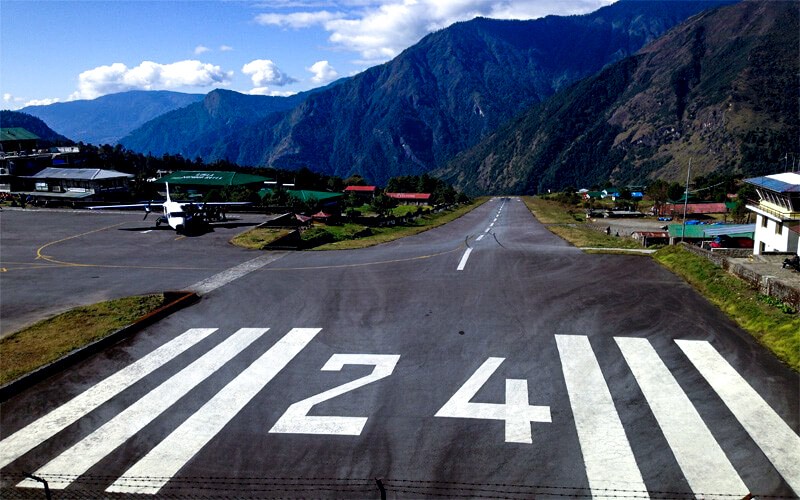
Lukla airport
The Lukla Flight is the starting point of the Everest Base Camp Trip. The flight takes off from Kathmandu Airport or Manthali Airport, mainly from Kathmandu. If maintenance work is done at Kathmandu Airport, the flight operates from Manthali. A short, half-hour flight on a small plane to Lukla connects to the Everest Base Camp Trekking Trail.
The flight operates only in clear weather because there are many hills before reaching Lukla. Because of bad weather, flights may be delayed by a few hours or canceled. Booking your flight ticket in advance is better because an earlier flight gives you more chances to fly. Flights are mainly in the morning, and there are no flights during the day.
If the Lukla Flight is canceled due to bad weather, you will have fewer chances to get an earlier Flight the following day. Regular flights may be fully booked in advance. In this case, you might take a helicopter flight, but you will need to pay extra for the regular flight ticket.
You can only weigh 15 kg on the flight to Lukla. This weight limitation includes your hand luggage. You can pay for extra weight at the airport, but it's best to pack only the equipment you need for the trek. If the plane is overloaded, they may put your bag on the next flight. Sometimes there may be no flight after yours. If that happens, you will have no Trekking Equipment.
Physical Level and Training
What to Expect During the Everest Base Camp Walk: Trekking to Everest Base Camp is a physical challenge. Expect to walk about 4–7 hours daily through narrow mountain trails, steep hills, rocky or dusty paths, and high suspension bridges.
Before planning a Trek to Everest Base Camp, you must have some hiking experience on mountain trails. If you have done mountain Treks above at least 3000m somewhere, it is easier to trek to Everest Base Camp.
Everest Region Settlement Expectation
What to Expect from Locals: The Sherpa are the local ethnic people of the Everest Region, known as mountain legends. Several beautiful Sherpa towns line the Everest Base Camp Trekking trail. You will see Sherpa towns everywhere you stay and along the way.
Namche Bazaar is the most beautiful town, located on a hill. You will acclimatize for two nights before going to a higher elevation. Khumjung is the biggest Sherpa village, with a Hillary school and an old monastery where you can see a Yeti skull.
Dingboche is the highest proper Sherpa Village on the Everest Base Camp Trekking Trail. In addition to these towns, many other small villages have traditional, well-carved buildings. You can see the legendary Sherpa people's lifestyle and daily activities in these villages.
Expect to Reach the World's Highest Mountain Base Camp
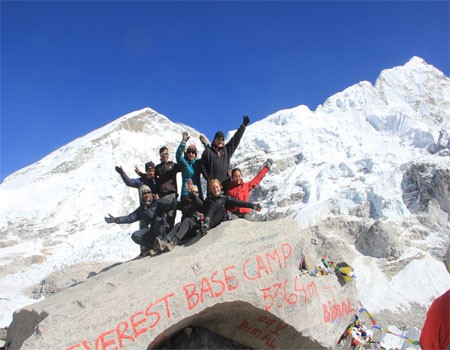
What to Expect from the Everest Base Camp: One of the main goals of trekkers to the Everest Base Camp is to reach the Base Camp of the world's tallest mountain, 5364m above sea level.
You can reach the Base Camp of Mt.Everest in 8 days of trekking from Lukla. People may want to sleep at Base Camp, but no lodge exists. You must bring your tent or hire one in Gorakshep to rest at the Base Camp. It is about a 2- to 2-and-a-half-hour hike from Gorakshep. Gorakshep is the last place on this trek with lodges. Many climbers camp at the base camp during the Everest expedition season. Spring is one of Nepal's main expedition seasons.
You will not see Mount Everest from the Base Camp because Lhotse and Nuptse block it. But from here, you can visit other high mountains like Changatse, Khumbutse, and Lingtren, as well as Lhotse and Nuptse. You will not see a permanent Base Camp sign here. It changes every few years as the ice melts. You can see a few Buddhist prayer flags and writing characters on a rock.
The Expectation of Stunning Mountain Views from Vantage Viewpoints
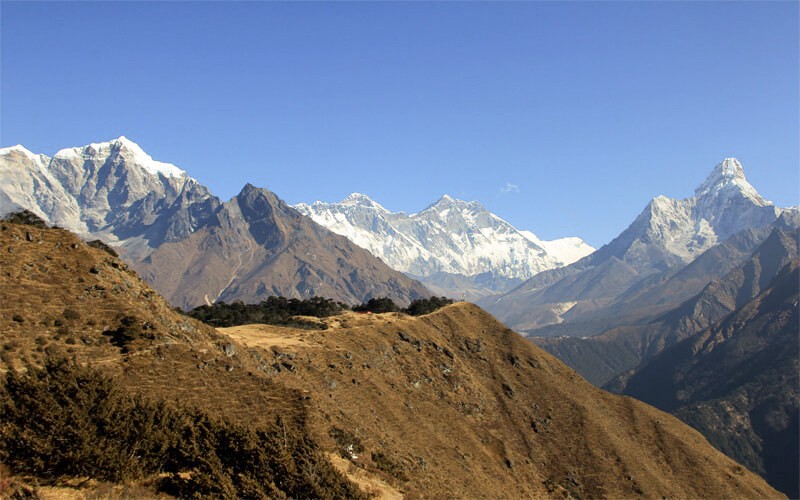
View from the Everest View Hotel
What to Expect about Views from Viewpoints? The main attraction of this trek is the stunning mountain view of the Everest Massif. You can see high, snow-capped mountains at every moment and from every angle along the way to Everest. However, some Vantage Viewpoints on the trek offer panoramic, eye-catching Mountain Views.
You will start seeing beautiful mountains when you land at Lukla Airport. From here, you will see Dudhkunda Peak, and from Thadokoshi, you will see Kusum Kangri. After that, you can see Mt. Thamserku from Banker Hill and Everest, and you will climb to Namche Bazaar if the weather is clear.
You will see many mountain views while climbing to Everest View Hotel during your altitude-practice day hike from Namche. Everest View Hotel is the first hill station to offer panoramic views of Thamserku, Kusum Kanguroo, Khanteka, Amadablam, Lhotse, Nuptse, and other high peaks, including Everest.
Tengboche Hill is another hill station located in an open space. From here, you can see a stunning view of the Everest Himalayas. It also offers the best view of Mt. Ama Dablam, one of the most beautiful mountains in the Everest Region.
Nangkartsang Hill is the next hill and viewpoint after Tengboche on the Base Camp Trek. During Dingboche village's second altitude-acclimatization day, you will climb this hill. You can reach the top by hiking about 3 hours from Dingboche and enjoying views of the beautiful Everest Massif. You can also see Mt. Makalu from this hill, the 4th highest Mountain in Nepal and 5th in the world. It is the only hill station from which you can see this mountain; you will not see it from anywhere else on this trek.
The best viewpoint on the Trek is Kala Patthar. Every trekker should have heard about this hill station before coming on the trek and considering climbing it. But once they reach Base Camp, they don't care about hiking to this hill because they're tired from the extended Base Camp hike. Kala Patthar offers a far better view than Base Camp. From the top of this hill, you get a 360 ° mountain view and the Nearest View of Everest. It takes around 2 hours to hike from the lodge where you stay in Gorakshep. You can walk in the morning for sunrise or in the evening for sunset.
Accommodation, Food, and Drink Expectations from EBC Trek

Accommodation in Gorakshep
What to Expect about the Lodge, Food, Drink, and Toilets: The Everest Base Camp trek has many tea houses to stay in. The Sagarmatha Pollution Control Committee (SPCC), Sagarmatha National Park, and the local Sherpa community keep this trail clean and well maintained.
Finding accommodations should not be very difficult in most places. However, during busy trekking seasons, it can be hard to get a room in places like Tengboche, Dingboche, and Gorakshep. You need to book accommodations at least a month in advance.
Every lodge has a Food menu. But most places offer the same food items, so you may get bored sometimes. You can choose from the available food items and try local dishes if you want. Food is usually hygienic if you stick to vegetarian food. You can find meat dishes on the menu, but they may not always be fresh or available everywhere.
Some people don't like the taste of water purification medication and buy bottled water. Others don't like the taste of purification tablets but still use them to keep costs down. After purification or sterilization, you can drink normal drinking water. You can also buy bottled water in guest houses or grocery shops.
Living Cost Expectations in the Everest Region
What to Expect About the Budget: Except for some vegetables and limited crops, there isn't much growing, which isn't enough even for locals. Most daily supplies come from Kathmandu to Lukla by cargo plane, and people carry them to higher elevations. Because of the transport costs, everything is expensive in the region.
You will see the same food items everywhere and in every lodge, but the only difference is the price. A food item that costs 500 rupees in Lukla may cost 1500 rupees at the last camp of the Everest Base Camp trip. Likewise, a bottle of water may cost 100 rupees after a few days of trekking, but up to 500 rupees later. These are only examples; the same applies to food, drinks, and accommodation. So, be prepared to spend around 4000 rupees or a bit more per day on the trek.
Health Expectations from an Everest Trip
What to Expect about Health: Every trekker expects a cold while Trekking in the Himalayas. Yes, you can catch a cold at Everest Base Camp. Trekkers might catch a standard cold, with a runny nose and some coughing during the trek. The cough on the Everest Base Camp Trek is known as Khumbu Cough. Staying warm, drinking warm water, and covering your nose and mouth with a buff to protect against dust can help prevent this problem.
The climate can cause diarrhea while trekking in the Himalayas, which is known as Traveler's Diarrhea. If this happens, take Imodium and rehydration salts.
The Expectation of Traffic

Trekkers on the trail
The Everest Base Camp Trek is a very popular Trekking trail. You'll see lots of trekkers during the peak trekking season. So, you can expect heavy traffic on the trail. Trekkers and local porters carrying loads, Yaks, mules, and Jopke (a hybrid of cow and Yak) will be on the trail. You need to stand for a few minutes somewhere and let them pass if you are on a narrow surface or a suspension bridge.
It also comes down to your safety. If you are in a hurry and keep walking without stopping on the safe side, the weight of the porters' loads and animals may push you toward the cliff. So, stay in a secure zone if you meet a crowd on a narrow path. You can keep walking when there is no traffic and feel safe.
Expectation of Climate
What about the Weather and Temperature expectations? Mountain weather is unpredictable and can change quickly. You may start the day with Clear Weather and blue skies, but it can quickly transform into rain, wind, and snow. Once the porter carrying your trekking gear leaves the starting point, they will meet you directly at the next stop. If the weather changes quickly, you might be in trouble, so pack rain cover and a Windstopper in your daypack.
The Expectation of the Internet, Communication, and Electricity
The internet and communication keep you close to family, relatives, and friends, even when you are far from home. You can use the internet and make phone calls daily during the Everest Base Camp journey. You'll have cell phone reception throughout the base camp trekking trail. When you arrive, you must buy a Nepalese SIM card with internet data at Kathmandu International Airport.
You can also use Wi-Fi in the lodges where you stay. You'll need to buy a top-up card for this service from Everest Link. Since you'll be close to the internet router, a cell phone SIM card is far better and highly recommended.
You will have Electricity Services until Tengboche. But after that, they use solar power. You can charge your phone and camera batteries even with solar energy, but you must pay. It can be more expensive than bringing a power bank, which is recommended for the trek.
Altitude Sickness and Prevention
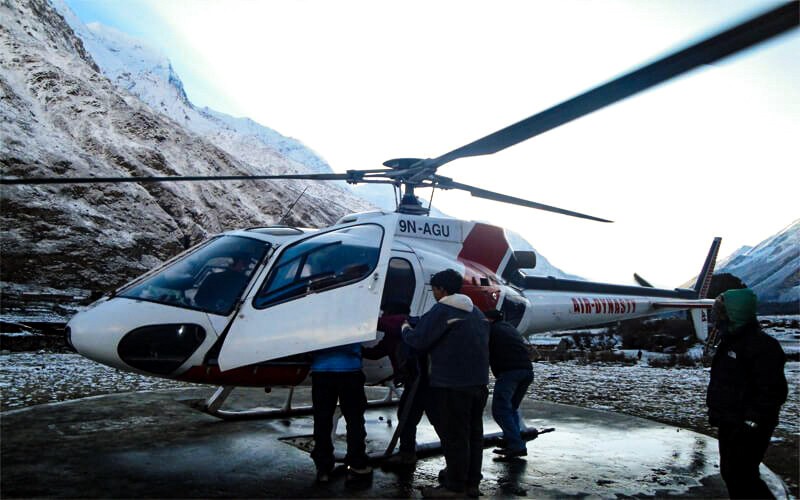
High mountain rescue
Altitude sickness can complicate treks to Everest Base Camp. You will feel the effects of altitude when walking above 3500m. Altitude Sickness can be fatal. So take this seriously.
Early symptoms of altitude sickness include headache, vomiting, feeling drunk, tingling fingers, loss of appetite, fatigue, difficulty breathing at rest, and a few others. If you have these symptoms, be careful and follow your guide's advice.
Strolling, drinking plenty of fluids, sleeping well, staying warm, eating well, avoiding altitude-related thinking, and taking 250mg of altitude tablets may prevent the problem. If you have altitude symptoms, you may need to rest an extra day at the same place or descend as soon as possible, depending on your condition. A good travel insurance policy covering any emergency evacuation above 6000m is highly recommended for the Everest Base Camp.
Cultural and Religious Expectations from Everest
The Everest Region is a land of Buddhist people. You will see numerous ancient Buddhist Monasteries and other monuments while Trekking to Everest Base Camp. Local cultures and customs shape daily life.
You can walk to those Buddhist Monuments on the Trekking trail, keeping to your right. Entering the monasteries also has some terms and conditions on the board outside each monastery. Also, it is best to ask before taking a picture of locals.
You'll see wildlife and birds on the trail; some are considered holy. Never talk about killing them, even as a joke.
Need to Stay with Basic in Everest
Don't expect luxury beds in the lodges where you will stay, as you might in cities. They might not be comfortable, but it is good enough to spend the night there. Food is also more basic than you might expect. But it could be more than you wish.
Food menus have almost the same food items, including Mo: Mo, noodles, pizza, pasta, soup, local food (Dal Bhat), and more. Food is cooked by fundamentally trained cocks in the guest houses. So the taste may be a little different.
Everest Base Camp is rich in natural beauty. On this trek, you can see the massive Everest Himalayas, green hills, wildlife, waterfalls, beautiful valleys, glaciers, and many more attractions. These natural attractions also bring challenges on the trek. People should expect more and sometimes get less. You are right; expecting less and getting more results makes people happier. These things shouldn't be your expectations for the Base Camp Trek. But at least this post should help you know what to expect from the Base Camp Trek. If you have more questions about this trek, please contact us. We are always happy to provide the right information.
More trekking from the Everest region:
Rajesh Thapaliya
Recent Post
One Day Seven UNESCO Sites Tour in Kathmandu
Kathmandu has seven UNESCO World Heritage Sites, all cultural attractions popular for day tours. Before ...
Gear List for Manaslu Circuit
The Manaslu Circuit Trek is a true Himalayan adventure in Nepal, which is untamed, breathtaking, ...
Gear List for Annapurna Base Camp
The Annapurna Base Camp (ABC) trek is one of the most breathtaking journeys in the ...