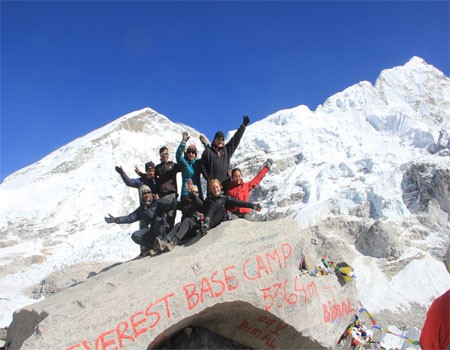
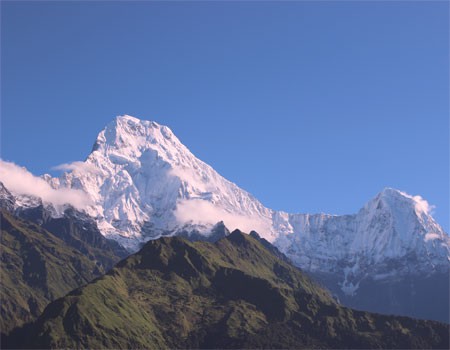
Everest Base Camp and Annapurna Base Camp Treks are naturally rich areas. But these two trekking trails differ in many ways. So, you can find the differences between the Annapurna Base Camp and the Everest Base Camp here.
This blog post may help you plan your desired Base Camp Trek destination if you're unsure which trek package to choose.
You can find information about both beautiful trekking routes here. So, let's explore the regions to learn the Differences Between the Annapurna Base Camp and the Everest Base Camp.
Trekking Region for Two Different Base Camps
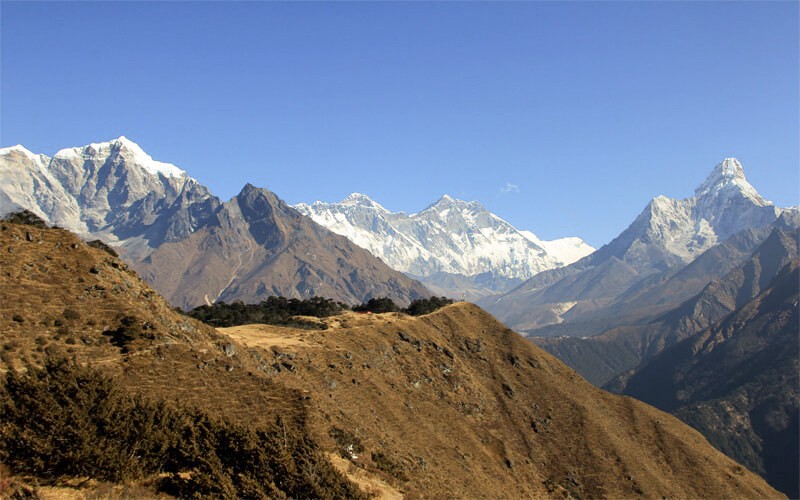
Everest Himalaya
Annapurna Base Camp and Everest Base Camp are in two Different Trekking Regions. Annapurna Base Camp is west of Kathmandu and closer to the beautiful lake city of Pokhara. Similarly, Everest Base Camp is east of Kathmandu.
The Annapurna Base Camp is one of the most famous moderate-level Treks in the Annapurna Region. These beautiful trekking trails take you from diverse lower lands to high, elevated terrain and glaciers. Annapurna Base Camp offers phenomenal mountain views and many more attractions.
The trekking trails along this trek are pretty safe. You can walk 4-6 hours daily without needing altitude acclimatization rest days. So, you don't need to worry about altitude sickness while trekking to the Annapurna Base Camp.
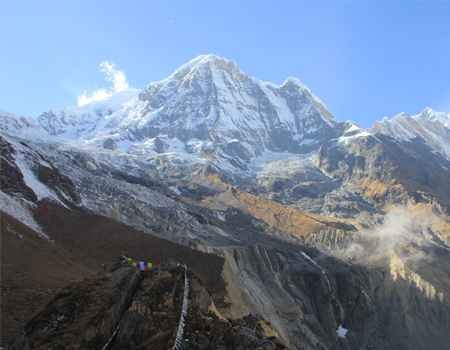
The highest elevation you will visit on this Trek is Annapurna Base Camp (4,130m). You will be surrounded by high mountains and close to the Annapurna Glacier.
Everest Base Camp is a globally well-known Trek named Mount Everest. It offers thrilling views of the world's famous mountain belt and legendary trails followed by famous Everest Summiteers. You will follow Different river valleys and gorges, ascending through the high mountain ridges.
After passing through the beautiful town of Namche Bazaar, the Everest Base Camp Trail continues onward. Namche Bazaar is a village that is the gateway to the Khumbu Region. Ancient Buddhist Monasteries, prayer flags, and other monuments are great to see and add positive vibes to the Everest Trek.
You will reach Everest Base Camp by crossing beautiful traditional Sherpa Towns like Phakding, Monjo, Tengboche, Pangboche, Dingboche, Lobuche, and Gorakshep. You can also reach the Base Camp via Kongma La and Cho La trekking trails.
Introduction: Difference Between Annapurna Base Camp and Everest Base Camp Trek
You must stay updated on information about the Trekking Destination where you plan to trek. Information about the trek, highlights, how to visit, and a few other topics are necessary for your destination, so you can find information about these Trekking Trails here.
Annapurna Base Camp

Annapurna Base Camp (4,130m)
Annapurna Base Camp Trekking is an incredible mountain journey through traditional villages, forests, and diverse landscapes. In the lower areas of the trek, you can see farming terraces starting from the subtropical region and leading up to bushy fields, passing the Himalayan alpine forest.
Starting in Nayapul after a short drive from Pokhara, the trek leads closer to the Annapurna Massif. The Annapurna Base Camp Trek offers two high mountains above eight thousand meters. You can see Annapurna I (8,091m) and Dhaulagiri (8,167m) on this trek. You can also see other snow-capped peaks, including the most beautiful mountain in the Annapurna Region (Fishtail).
Annapurna Base Camp is an easy-to-moderate-level Base Camp Trek in Nepal. It suits all types of Trekking Lovers.
Annapurna Base Camp Highlights
- Experiencing subtropical temperatures to high Himalayan cold temperatures
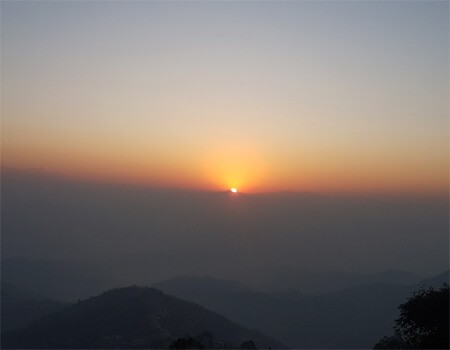
- Stunning views and unobstructed sunrise from Poon Hill
- Amazing Annapurna and Dhaulagiri massifs
- Chance of getting very close to the big mountains
- Exploring the massive Annapurna glacier
- Visiting two different base camps, such as ABC and MBC
- Experiencing the culture, lifestyle, tradition, and daily activities of the brave Gurkha people and community
- Exotic flora and fauna
- Natural hot spring
- Rivers, waterfalls, valleys, farming terraces, and much more
Everest Base Camp
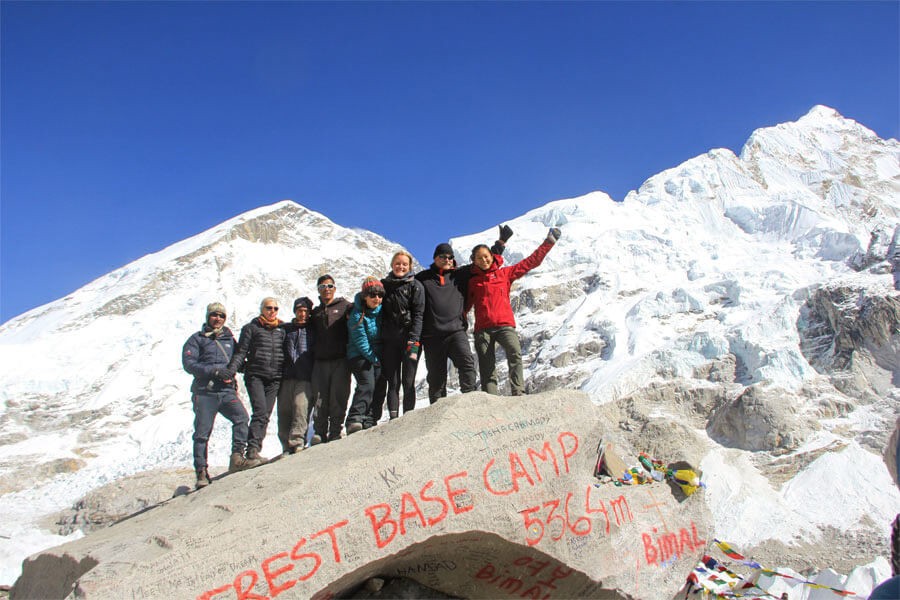
Everest Base Camp (5,364m)
Everest Base Camp Trekking is a fabulous journey through the mighty Everest Region. This popular, world-famous trek to Everest Base Camp offers genuine views of some of the highest mountains in the world. The Everest Region is home to the Sherpa people, renowned mountain climbers.
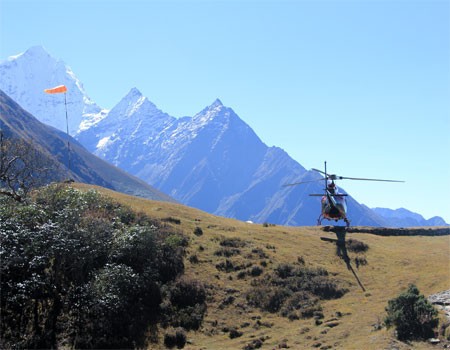
The Everest Base Camp trip follows the trail used by legendary Everest Summiteers. After landing at Lukla Airport, you will hike through attractive landscapes, passing traditional Sherpa towns, Buddhist monuments, and other natural beauties.
Everest Base Camp Highlights
- Experience an adventurous, scenic flight and landing at a dangerous mountain airport.
- Walk inside a natural UNESCO World Heritage site, Sagarmatha National Park
- See the lifestyle and daily activities of the Sherpa people, who are mountain legends.
- Ancient and historic Buddhist monasteries and other monuments
- Stunning mountain views from vantage viewpoints such as Everest View Hotel, Tengboche Hill, Nangkar-Tsang Hill, and Kala Patthar
- Three of the world's highest mountains are above eight thousand meters, like Mt. Everest (8,848m), Mt. Lhotse (8,516m), and Mt. Makalu (8,485m).
- Magnificent vegetation and a forest of rhododendron, pine, oak, magnolia, juniper, and more
- Wildlife like Himalayan Thar, musk deer, Himalayan pika, and more, with domestic and wild Yak
- The colorful Nepalese national bird (the Himalayan Monal)
- Beautiful river valley, glacier, waterfall, and much more
Trekking Seasons for Everest Base Camp and Annapurna Base Camp Treks
From September to November, autumn is the best time to Trek to the Annapurna Base Camp. The second popular Trekking Season is spring, from March to May.
Although early September and late May may have some rainy days, these times don't always offer clear visibility.
Winter doesn't harm trekking and offers clear weather, but temperatures can be freezing. December is the best month, providing magnificent weather throughout the day.
Some trekkers go in summer, but it is not a good time to trek to Annapurna Base Camp. The trail will be slippery from heavy rain; crossing some wooden bridges can be dangerous; and there are many leeches, which can make it more difficult.
The Annapurna Base Camp Trek passes through the valley after Deurali, which can be dangerous during heavy snowfalls. Avalanches can occur between Deurali and MBC, so you must be careful.
Like the Annapurna Base Camp trip, the Everest Base Camp trip follows the same Trekking Seasons. However, the Everest Base Camp Tour starts with a flight, which is impossible mainly during the summer. The Everest Base Camp Trekking Trail is not risky except for the flight to Lukla.
Trekking Routes for Everest Base Camp And Annapurna Base Camp
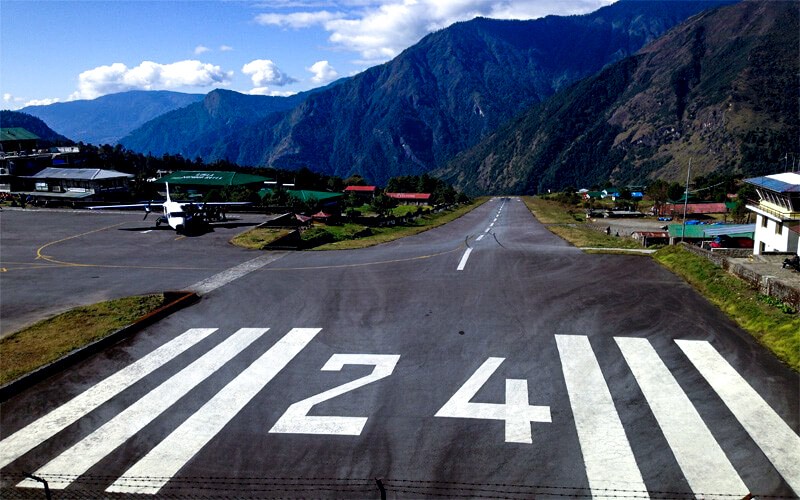
Lukla airport
Several trekking routes lead to Annapurna Base Camp or Everest Base Camp. Depending on the Trekking Itinerary, the starting and ending points vary.
Annapurna Base Camp Route
The Annapurna Base Camp Trek's regular and popular Trekking Route starts in Nayapul and Treks to the base camp via the Ghorepani Poon Hill Trekking Trails.
You can either escape the Ghorepani part or follow the route through Ghandruk village to make a few days trek shorter to the Annapurna Base Camp trip.
If you start and finish in Nayapul, the Annapurna Base Camp Itinerary can take 6 days to a week.
If you have more days for the Annapurna Base Camp journey, add more beautiful villages like Landruk, Pothana, Dhampus, or Australian Camp to your Itinerary.
Every Annapurna Trek itinerary and route includes a big and beautiful village (Chhomrong) and a natural hot spring in Jhinu Danda.
Everest Base Camp Route
There are three Trekking Routes to Everest Base Camp. The older route involves taking a bus to Jiri and starting to walk. It is a long Route and was very popular before there was an airport in Lukla.
Another long Trekking Route to Everest Base Camp is from Salleri. You can drive to this place in a jeep and hike to Base Camp, a few days shorter than the Jiri route.
If you have less than two weeks in Nepal, you can choose the most popular trekking route to Everest Base Camp. The Lukla-Everest Base Camp Route is a popular trekking route.
The Trekking Route to Annapurna Base Camp is easier than the Everest Base Camp Route. You have a lower risk of altitude sickness at Annapurna Base Camp than on the Everest Base Camp Trekking Route.
The Landscapes of Annapurna and Everest Base Camp
Annapurna Base Camp leads through lower lands with fertile farming fields. Rice, millet, corn, buckwheat, and different vegetables grow in this starting area of the Annapurna Base Camp. Cherry blossoms in the lower region and rhododendrons in the higher region make this trail unforgettable in different seasons. Cherry blossoms bloom in November, and rhododendrons bloom in spring.
The Annapurna Base Camp Trail is greener than the Everest Trail. So you'll walk through dense forests most of the time. You will get the most impressive views of the Dhaulagiri and Annapurna Massifs.
You will be surrounded by 360-degree views of snow-capped peaks near Annapurna I (8,091m) and the Annapurna Glacier.
Everest Base Camp inspires many visitors with its phenomenal scenery on the trekking trail. You will get unreal views of the great Himalayas from vantage points, glaciers, valleys, vegetation, fauna, religious shrines, and the lifestyle and daily activities of the legendary Sherpa People.
The Base Camp is on the Khumbu Glacier at 5,364m above sea level. Here, you will see numerous towering mountains close by. If you are here in spring, you will see hundreds of colorful tents of the Everest Climbers. At that time, the place looks like a small mountain city.
The Everest Base Camp trip takes you to the bottom of the world's highest mountain. From the Everest View Hotel, Tengboche, and Kala Patthar, you can enjoy unreal panoramic mountain views, including Everest. These vantage points offer the best views of the Everest Himalayas.
The Societies in Everest and Annapurna

Gurung village Ghandruk
The Annapurna Base Camp Trails go through different traditionally settled villages. The local inhabitants of this region are Magar and Gurung. You will also encounter Brahmin, Chhetri, Newar, and other ethnic groups in the lower farming areas.
Most Magar and Gurung communities live from the lower areas up to the higher areas. These people are famous as brave Gurkhas. They are in the British and Indian Regiments.
People in this region practice Hinduism and Buddhism. So, you can see several Hindu and Buddhist shrines along the Trekking Trail.
Rodhi's singing and dancing program is a cultural tradition. In the past, the villagers would gather in a program hall or courtyard to sing and dance after working hard all day farming. Today, this program is still performed. It is performed on special occasions and festivals, and at the request of travelers.
The Everest Territory is the land of the Sherpa People, famous as high Himalayan people and popular worldwide as mountain legends.
These people follow Buddhism and dress, look, and speak similarly to Tibetans. They celebrate the Lhosar festival according to the Tibetan calendar. The Mani Rimdu Festival in Tengboche is good to see in October or November. You will have a great time learning more about these mountain legends at Everest Base Camp and seeing their daily activities.
Accommodation at Annapurna And Everest Base Camp
Accommodation is mostly the same on both Treks, but there are some differences—plenty of tea houses on the Everest Base Camp trail, but fewer lodges on Annapurna.
Luxury lodges along the Everest Base Camp Trekking Trail are not on the Annapurna Trail. You don't have to share accommodation with unknown trekkers in the Everest Region, but you might have to for a few nights on the Annapurna Base Camp Trek during busy Trekking Seasons.
Hot showers are mostly free on Annapurna, except for a few nights at higher elevations, but you have to pay everywhere on Everest.
You will have a warm dining hall on the Everest trail until the last camp for free, but the Annapurna Base Camp trail is not like that. You must pay for kerosene heat under your food table for a few nights after Sinuwa on the Annapurna Base Camp Trekking Trail.
Both treks have only Western-style sitting toilets in the lower areas. However, some places have attached bathrooms in both regions.
Food and Drink Facilities in Everest and Annapurna Base Camps
The food in both regions is similar in quality and variety, but each offers some unique items. The guesthouses serve food from a menu. The Annapurna Base Camp Trail offers special pizza, and the Everest Base Camp Trek provides others. Coffee shops and bakeries are excellent in the Everest Base Camp Trekking region.
Even the same food items in the guesthouses could taste different. The cooks are not well-trained, and a family runs some lodges. You don't always need to eat local food, but if you want to try local items, you can do so on both trekking trails.
People in the lower part of the Annapurna Base Camp trail sell bottled water and refill mineral water. Most places are plastic-banned. So, you can't buy mineral water and have to buy boiled and filtered water.
You can drink tap water when filling your bottle, but you must use purification tablets or sterilizers. In higher areas of the Everest Base Camp Trek, tap water may contain specks of dust, so it's best to buy a water bottle for a few days in those areas.
Compare the difficulty level between Everest and Annapurna Base Camps.
The Annapurna Base Camp trek is less physically challenging than the Everest Base Camp trek. Everest Base Camp starts at a higher elevation and reaches 5,364m, but the Annapurna Base Camp Trek begins below 1000m and goes only to 4,130m. Because of altitude variation, the Everest Base Camp is more challenging.
Annapurna Base Camp has different itineraries and routes, but Everest Base Camp is mostly the same.
You must be physically fit and don't need extreme climbing training for either trek. You can do both treks with hiking practice, basic workouts like jogging and running, or any other gym or club workout.
Trekking Costs for Annapurna Base Camp and Everest Base Camp
Food, transport, and other amenities are much more accessible at the Annapurna Base Camp than at the Everest Base Camp. As a result, the Everest Trail is more expensive than the Annapurna Trail.
Annapurna Base Camp joins the ground transport, but it needs to fly to Lukla to start Everest Base Camp. The Flight Cost to Lukla is expensive, and it is a higher-budget Trek than the Annapurna Base Camp.
Everest Base Camp takes about 2 weeks, while Annapurna Base Camp can be completed in a week. Because it takes fewer days, the Annapurna Base Camp trek also costs less. So, Annapurna Base Camp could be the best option if you are a budget trekker.
The traffic of Trekkers on the trek

Trekkers on the Everest Trail
It isn't straightforward to compare the visitors between these trekking trails. Both treks will have thousands of trekkers every year. But you can feel that the Everest Trail has bigger crowds because going to Base Camp and returning follows the same route.
The Annapurna Base Camp trail seems quieter because it has different entry and exit points. However, after Chhomrong and until the Base Camp, people were flooded. The route climbs to Base Camp over a few days, then descends back.
Even during Nepal's peak trekking season, the Everest trail isn't busy every day if the Lukla flight is canceled due to bad weather. However, Annapurna Base Camp is crowded every day.
Conclusion
You probably found some Differences Between these two Treks. Annapurna Base Camp and Everest Base Camp are the most popular Trekking destinations in two different Trekking Regions.
These hiking trails offer many opportunities to explore the wonderful Himalayan regions and escape into incredible nature for a once-in-a-lifetime experience.
After reading the information above about the Annapurna and Everest Base Camps, I hope you are ready to choose one of these packages. You must plan everything well and decide which suits you according to your time, budget, interests, and physical fitness.